
Previous research at ReMind UK
Helping shape the future of dementia treatment
For more than three decades, ReMind UK has been involved in research; exploring new ways to understand, treat and ultimately prevent dementia. From exploring potential new treatments to deepening our understanding of dementia, every clinical trial brings us one step closer to better treatments, earlier intervention and a future where people living with dementia have more hope and more options.
ReMind UK has been involved in the research stages for all current licensed treatments for dementia in the UK.
The past 12 years of research at ReMind UK
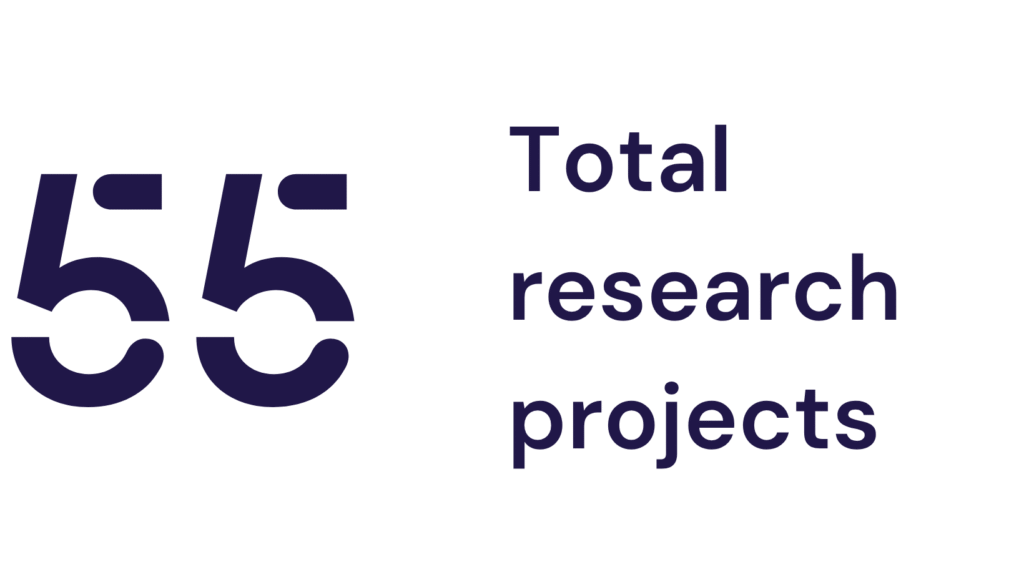
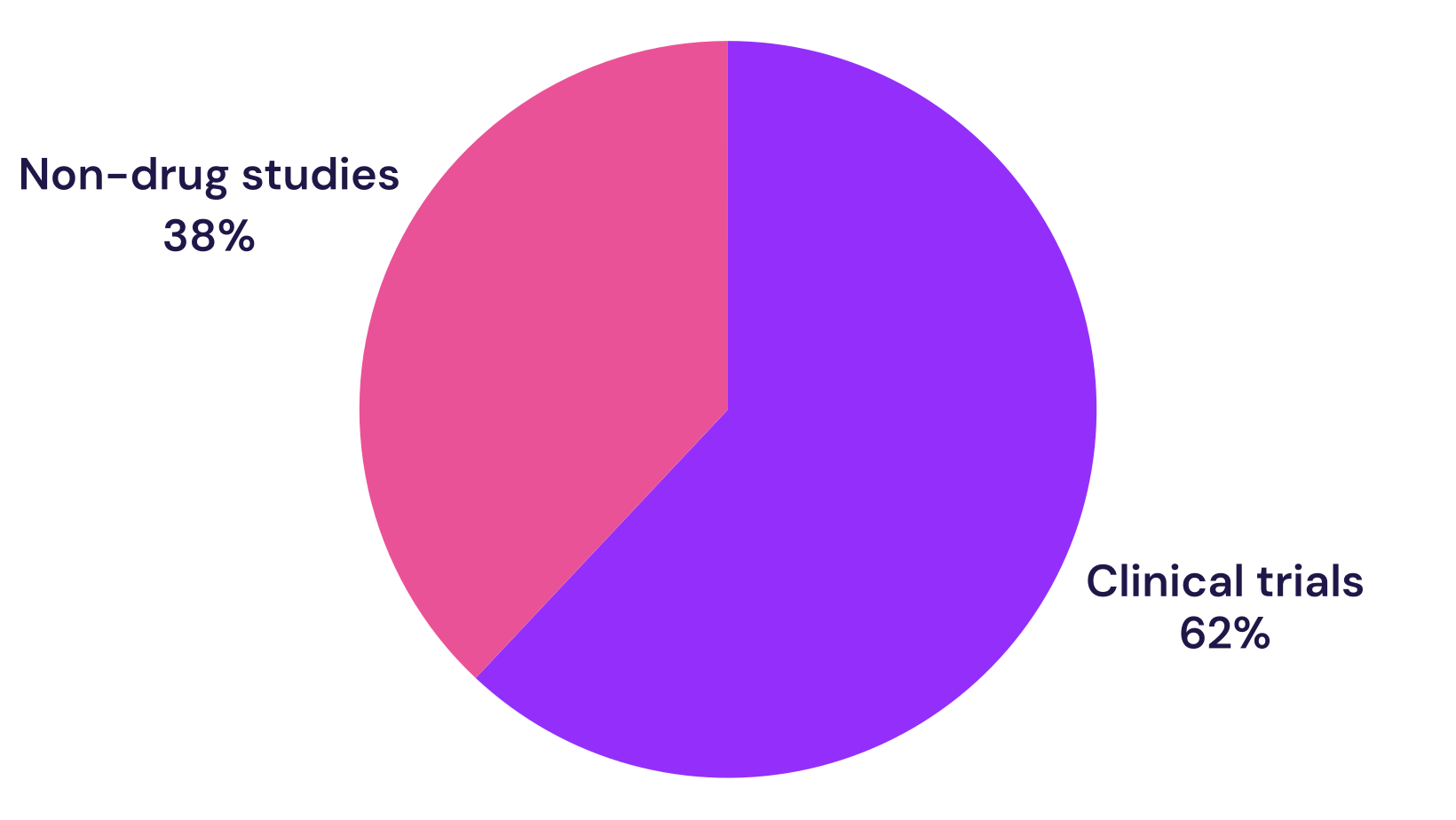


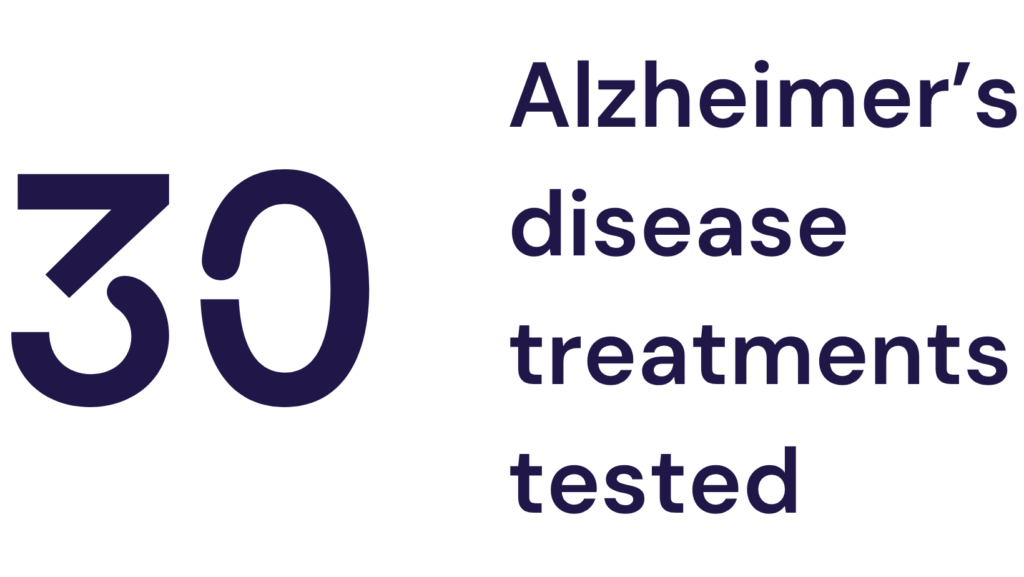
Research is how progress happens
Dementia is one of the biggest health challenges of our time. Finding better ways to diagnose, treat and prevent dementia depends on research and research depends on people being willing to take part.
Through our Research Institute for Brain Health, ReMind UK has been involved in a wide range of clinical trials investigating potential new treatments for Alzheimer’s disease and other conditions affecting the brain.
Some studies have helped advance treatments that are now available to patients. Others have shown researchers that a particular approach doesn’t work. Every study provides evidence, answers questions and helps researchers decide what to investigate next.
Dementia research clinical trials
Here are four previous clinical trials that ReMind UK have been involved in, they demonstrate how dementia research has evolved over the years and why taking part matters.
ENGAGE
Can removing amyloid from the brain slow Alzheimer's?
One of the biggest areas of Alzheimer’s research over the past few decades has focused on a protein called amyloid.
In Alzheimer’s disease, amyloid can build up in the brain and form plaques. Researchers have been investigating whether removing these plaques could help slow the progression of the disease.
The ENGAGE clinical trial investigated aducanumab, a treatment designed to target amyloid plaques and help the body’s immune system remove them.
ReMind UK was involved in the Phase 3 ENGAGE study, which began in 2015 and involved people with early Alzheimer’s disease.
What were researchers trying to find out?
The researchers wanted to know whether aducanumab could slow changes in memory, thinking and the ability to carry out everyday activities compared with a placebo.
Participants were randomly assigned to receive either aducanumab or a placebo, allowing researchers to make a careful comparison between the two groups.
What did they learn?
ENGAGE did not show that aducanumab produced the hoped-for slowing of clinical decline. However, the study did demonstrate that the treatment could reduce amyloid plaques in the brain.
The results contributed to a much larger body of research investigating the role of amyloid in Alzheimer’s disease.
Why does this matter?
This class of drugs is effective in clearing amyloid plaques but this alone may not improve memory and thinking. The trial made an important contribution to testing this drug and will help inform further research.
EVOKE & EVOKE+
Could an existing medicine help treat Alzheimer's?
Sometimes researchers investigate whether a medicine already being used to treat one condition might also have benefits for another.
Semaglutide is a medicine that many people will recognise because of its use in treating type 2 diabetes and obesity. Researchers wanted to investigate whether it might also have an effect on Alzheimer’s disease.
ReMind UK was involved in both the EVOKE and EVOKE+ clinical trials.
What were researchers trying to find out?
The trials investigated whether taking oral semaglutide could slow the progression of early Alzheimer’s disease.
Participants were randomly assigned to receive either semaglutide or a placebo. Neither the participants nor the researchers assessing their progress knew which treatment they had received during the blinded part of the study.
This helps researchers make an objective comparison between the treatment and placebo groups.
What did they learn?
The trials did not show that semaglutide slowed the clinical progression of Alzheimer’s disease compared with placebo.
Although researchers observed some changes in biological measures associated with Alzheimer’s, these did not translate into a significant improvement in the main measures of thinking and everyday function.
Why does this matter?
A result like this is still valuable. It gives researchers strong evidence about what semaglutide can and cannot do in Alzheimer’s disease, helping to guide future research.
CREAD2
What were researchers trying to find out?
Researchers wanted to know whether crenezumab could slow the progression of Alzheimer’s disease.
Participants were randomly assigned to receive either crenezumab or a placebo. Researchers then monitored changes in memory, thinking and everyday abilities.
What did they learn?
The trial did not show that crenezumab slowed the progression of Alzheimer’s disease.
The wider CREAD programme was stopped early after an interim analysis indicated that the study was unlikely to achieve its main objective.
What can researchers learn when a treatment doesn't work?
Sometimes one of the most valuable things a trial can tell researchers is that a particular approach does not have the effect they expected. Researchers can then modify their approach based on what has been learnt to date.
CREAD2 was a Phase 3 clinical trial investigating crenezumab, a treatment designed to target amyloid, in people with early Alzheimer’s disease.
ReMind UK was involved in the CREAD2 study in 2017.
Why does this matter?
Medical progress depends on understanding both what works and what doesn’t.
Every carefully conducted clinical trial adds to the evidence base and helps researchers refine their understanding of dementia.
TRAILBLAZER
Can we slow the progression of Alzheimer's?
More recently, researchers have been investigating disease-modifying treatments, treatments designed to target some of the underlying processes involved in Alzheimer’s disease and potentially slow its progression.
Donanemab is one of these treatments.
It is an antibody designed to target amyloid plaques in the brain and help the body remove them.
ReMind UK was involved in the TRAILBLAZER clinical trial investigating donanemab in people with early Alzheimer’s disease.
What were researchers trying to find out?
The large Phase 3 TRAILBLAZER-ALZ 2 trial involved 1,736 people with early symptomatic Alzheimer’s disease.
Participants received either donanemab or a placebo and were followed over time.
Researchers measured changes in memory, thinking and people’s ability to manage everyday activities.
What did they learn?
The results showed that donanemab slowed the progression of Alzheimer’s disease compared with placebo.
The benefit was greatest among people with lower and medium levels of tau, another protein associated with Alzheimer’s disease.
The treatment also reduced amyloid plaques in the brain.
However, donanemab is not a cure for Alzheimer’s disease and it does not restore memory that has already been lost. Its potential benefit is in slowing the rate at which the disease progresses in some people with early Alzheimer’s.
The treatment can also cause potentially serious side effects, meaning that people receiving it need careful assessment and monitoring.
Why does this matter?
The research into donanemab represents an important development in Alzheimer’s research.
It shows how years of research into the biology of dementia can eventually lead to treatments that have the potential to change the course of the disease, rather than simply treating its symptoms.
All the research trials that have been conducted so far have led to the success of this treatment but there is still a long way to go.
Our research doesn't stop here
The four studies featured here are just a small part of ReMind UK’s research history.
Our Research Institute for Brain Health has been involved in a much wider programme of clinical trials and non-drug research, exploring Alzheimer’s disease, other forms of dementia, potential new treatments, diagnosis, brain health and quality of life.
And our research continues.
Find out about current research
Our research history
View ReMind UK’s full list of previous clinical and academic trials