

Many people are already aware that being physically inactive increases your risk of developing dementia, but did you know that there is an association between hearing loss and the risk of developing dementia?
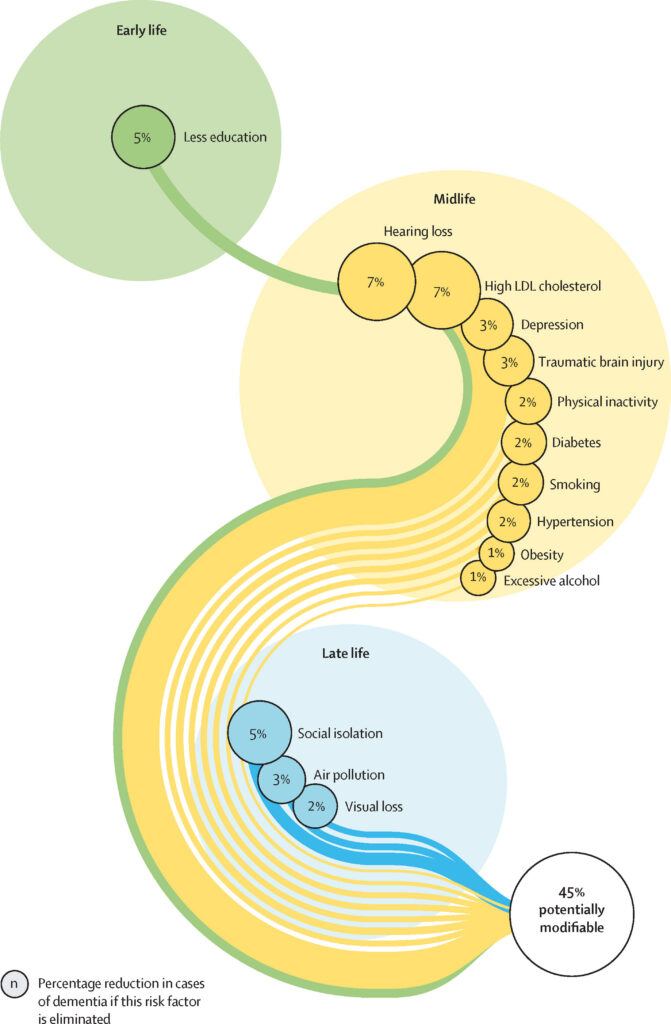
Hearing loss is one of the 14 modifiable risk factors identified in the July 2024 Lancet report on Dementia Prevention, Intervention and Care. If we could theoretically eliminate these 14 risk factors it potentially could reduce the risk of developing dementia by almost 45%.
Today we discuss why it is important for someone who is experiencing gradual hearing loss changes to seek an assessment and why wearing a hearing aid, if recommended, could help reduce your risk of developing dementia.
Hearing loss is a common problem. The Royal National Institute for Deaf People (RNID) state that hearing loss, tinnitus or deafness affects 1 in 3 people in the UK and over half of people aged 55 and over are affected by hearing loss. The Lancet report estimates that globally 20% of people have hearing loss. The report highlighted hearing loss in mid to late life, as associated with a higher risk of developing dementia. It also reported, as the severity of the hearing loss increases, the risk of developing dementia increases.
The cause for hearing loss increasing risk of developing dementia is currently under investigation. One theory is that hearing loss can cause some people to reduce their social interaction, which is a risk factor in itself. Another theory is that the damage to our hearing sense reduces the stimulation to our brain, reducing our cognitive reserve, making our brain more vulnerable to diseases such as dementia.
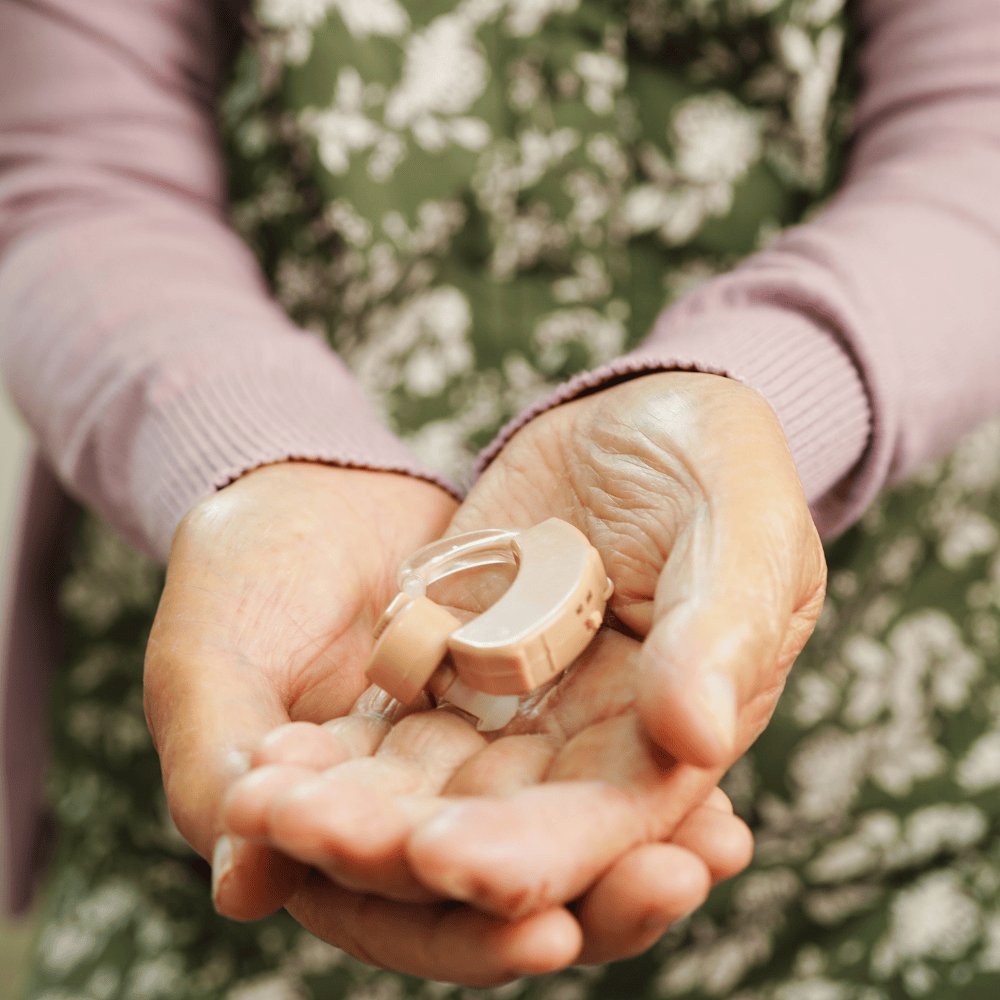
We want everyone to be aware of the association between hearing loss and increased risk of developing dementia, because people can proactively reduce this risk by wearing a hearing aid if it is recommended after an assessment. There are different causes for hearing loss, but if a hearing aid is recommended and worn, studies have shown that it may help to reduce the risk of developing dementia in future.
Awareness of dementia risk from hearing loss will also hopefully help people to take steps to protect their hearing, such as wearing hearing protection in noisy environments.
It is important to remember that hearing loss is a risk factor and does not mean that if you have hearing loss you will develop dementia. It is also important to be aware that hearing loss can be due to a number of different causes. The NHS website provides further information and when to seek an urgent assessment for hearing loss.
Gradual hearing loss is a common problem many of us face as we pass through mid to late life. Being aware that there is an association between hearing loss and increased risk of developing dementia means we can be proactive, to take steps to protect our and other people’s hearing and seek a hearing test if concerned. If hearing aids are recommended wearing them may help to reduce or delay our risk of developing cognitive problems in future.
More news & views

Facing dementia: Anna Mountford’s brain health journey
Anna Mountford, aged 50, from Bradford-on-Avon, shares her family’s experiences of dementia and how it has changed her approach to her own brain health in midlife.

Embracing brain health after retirement: Sarah Mentiply’s story
Sarah Mentiply, aged 69 from Bath, took part in a Brain Health Clinic pilot organised between Remind UK and St John’s Foundation. Here she shares her experience of the brain health clinic and the changes she has made to her health and wellbeing since her retirement.

Crossing borders to help people living with dementia
On 3rd November 2025, a dedicated team from Bath University took on an incredible international challenge; a 100km cross-border walk from France to the Netherlands, raising vital funds for ReMind UK.