ReMind UK Latest News & Views

Welcome to ReMind UK News & Views, a space where trusted expertise meets real life. Here, you’ll find clinically informed insights and evidence based guidance on brain health and dementia, alongside personal stories that reflect the lived experiences of people and families we support.

Our articles are shaped by the latest research, emerging scientific developments, and best practice approaches to diagnosis, risk reduction, and post-diagnosis support. Alongside this research led content, we share lived-experience perspectives from individuals and families supported by ReMind UK, offering meaningful insight into how our work, from clinical trials to ongoing post-diagnosis care, makes a difference in everyday life.

Whether you are a healthcare professional, a carer, someone with concerns about memory or cognitive health, or simply looking to learn more about dementia, we hope these articles inform, reassure, and support you, helping you make confident, informed decisions and improve wellbeing at every stage.

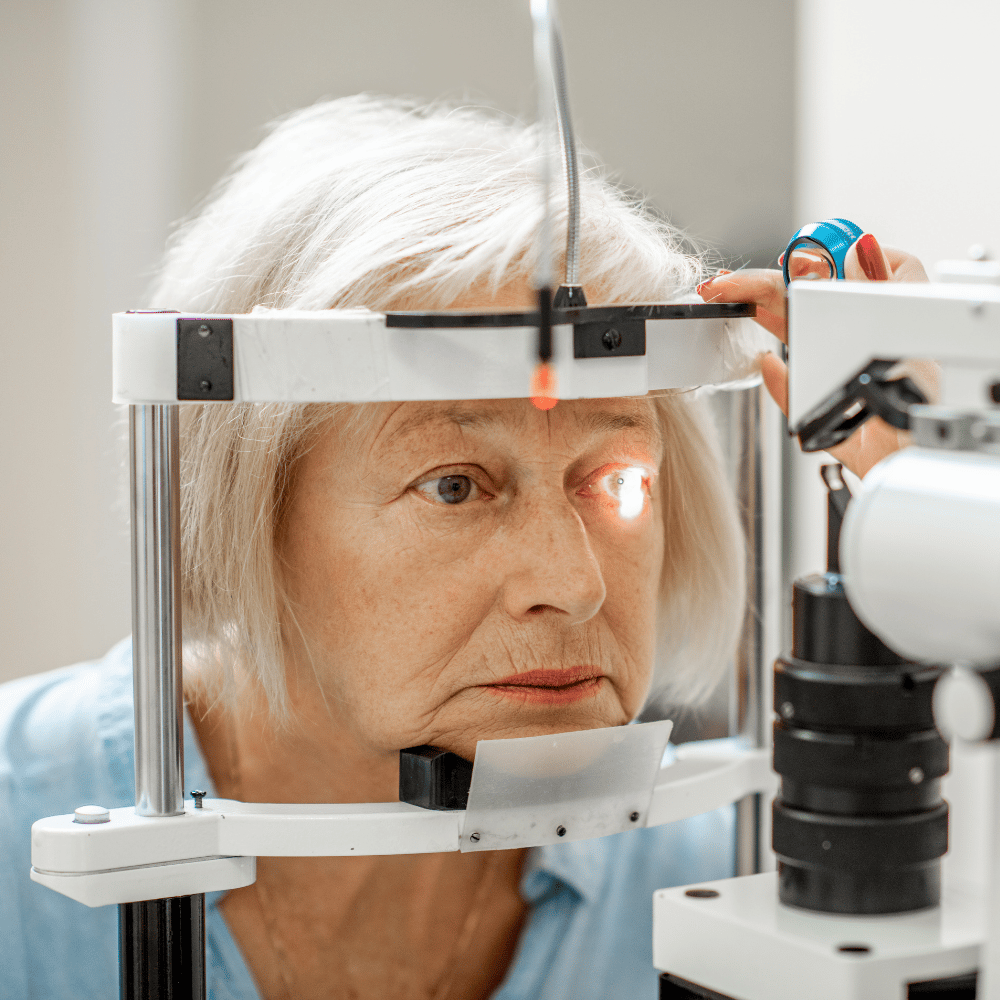
How vision loss may contribute to dementia

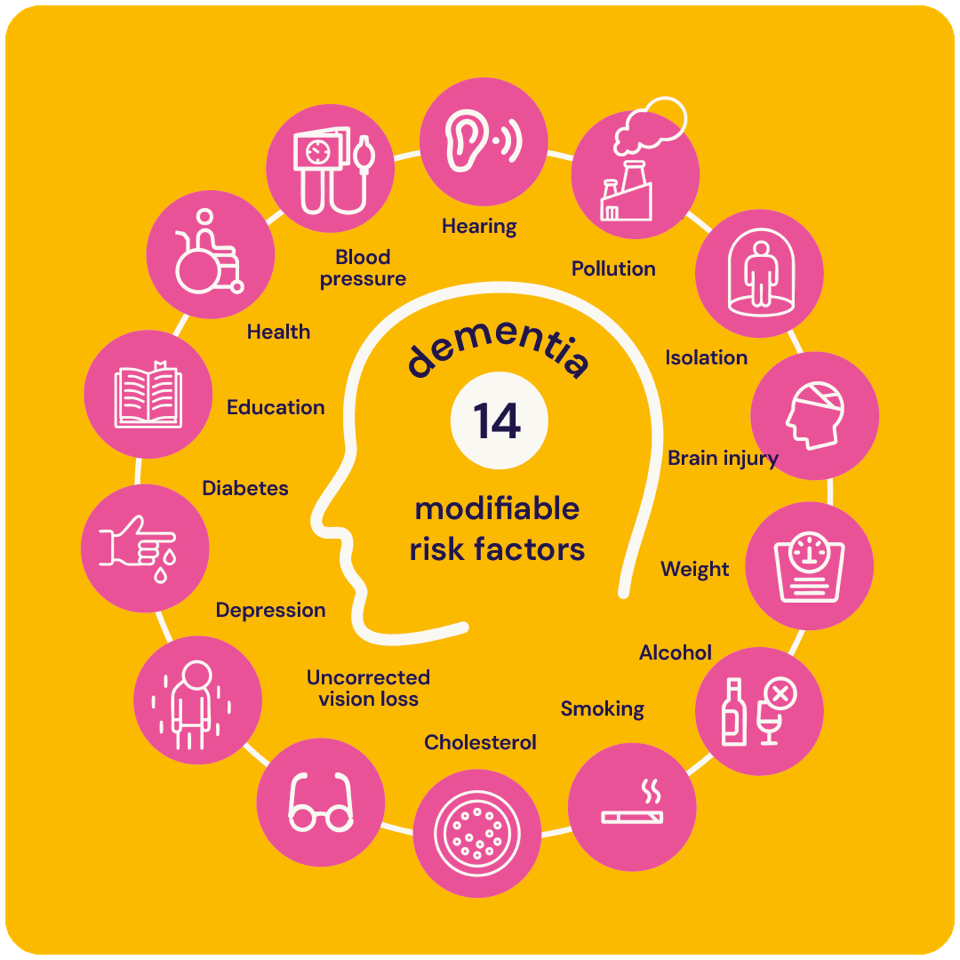
When was the last time you attended for an eye test? Was it due to having symptoms you were concerned about, or for a routine check-up? Would your attendance for eye checks alter if you knew that untreated vision loss is now thought to be a potentially modifiable risk factor for dementia? This month we explore untreated vision loss as a potentially modifiable risk factor for dementia.

Why early diagnosis of dementia matters more than ever

Many people delay seeking help when memory problems begin. They may think it is stress, ageing, or “just one of those things.” Families often notice changes too, but hesitate to raise concerns. Yet when it comes to dementia, early diagnosis can make a life-changing difference. It can provide answers, access to treatment, support for families, and the opportunity to plan for the future with confidence. During Dementia Action Week and beyond, one message remains clear - don’t ignore the signs.

What is dementia: understanding the signs, types and support available

Dementia is a condition many people are familiar with by name, yet its reality is often misunderstood. Too often, it is seen simply as part of growing older, when in fact it is a complex and progressive condition that affects memory, thinking, communication, and the ability to manage everyday life. In the UK, nearly 1 million people are living with dementia, and that number is expected to rise significantly in the coming years. Understanding dementia is the first step toward creating better awareness, earlier diagnosis, and stronger support for those affected.

Why the conversation around anti-amyloid therapies matters

Recent headlines have reignited debate around anti-amyloid therapies for Alzheimer’s disease, following commentary around a review questioning whether these treatments provide meaningful benefit for people living with dementia. ReMind UK's Research & Medical Director, Dr Tomas Welsh, responds to the debate.

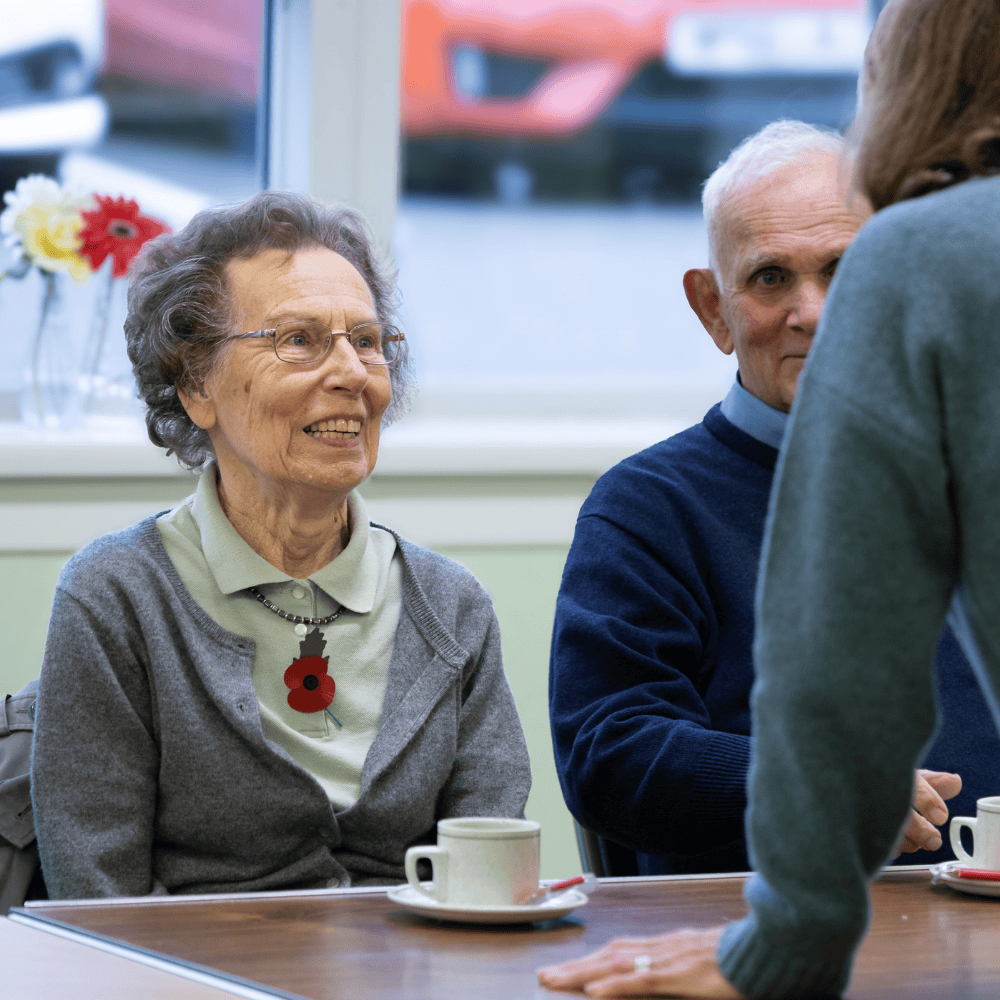
Supporting communication in dementia: building connection, confidence, and care

Effective communication is at the heart of quality dementia care. The Supporting Communication in Dementia workshop at Dorothy House offers a valuable opportunity for people living with mild to moderate dementia and their communication partners to strengthen understanding, connection, and emotional wellbeing.

Depression and dementia risk: What the latest research shows

Depression and Dementia what is the risk
Depression and dementia are more closely linked than once thought. The Lancet 2024 report identifies depression in midlife as a potentially modifiable risk factor for dementia. While the exact link is unclear, changes in lifestyle, social engagement, and stress-related brain effects may play a role.

How vision loss may contribute to dementia

When was the last time you attended for an eye test? Was it due to having symptoms you were concerned about, or for a routine check-up? Would your attendance for eye checks alter if you knew that untreated vision loss is now thought to be a potentially modifiable risk factor for dementia? This month we explore untreated vision loss as a potentially modifiable risk factor for dementia.

Why early diagnosis of dementia matters more than ever

Many people delay seeking help when memory problems begin. They may think it is stress, ageing, or “just one of those things.” Families often notice changes too, but hesitate to raise concerns. Yet when it comes to dementia, early diagnosis can make a life-changing difference. It can provide answers, access to treatment, support for families, and the opportunity to plan for the future with confidence. During Dementia Action Week and beyond, one message remains clear - don’t ignore the signs.

What is dementia: understanding the signs, types and support available

Dementia is a condition many people are familiar with by name, yet its reality is often misunderstood. Too often, it is seen simply as part of growing older, when in fact it is a complex and progressive condition that affects memory, thinking, communication, and the ability to manage everyday life. In the UK, nearly 1 million people are living with dementia, and that number is expected to rise significantly in the coming years. Understanding dementia is the first step toward creating better awareness, earlier diagnosis, and stronger support for those affected.

Why the conversation around anti-amyloid therapies matters

Recent headlines have reignited debate around anti-amyloid therapies for Alzheimer’s disease, following commentary around a review questioning whether these treatments provide meaningful benefit for people living with dementia. ReMind UK's Research & Medical Director, Dr Tomas Welsh, responds to the debate.

Supporting communication in dementia: building connection, confidence, and care

Effective communication is at the heart of quality dementia care. The Supporting Communication in Dementia workshop at Dorothy House offers a valuable opportunity for people living with mild to moderate dementia and their communication partners to strengthen understanding, connection, and emotional wellbeing.

Depression and dementia risk: What the latest research shows

Depression and Dementia what is the risk
Depression and dementia are more closely linked than once thought. The Lancet 2024 report identifies depression in midlife as a potentially modifiable risk factor for dementia. While the exact link is unclear, changes in lifestyle, social engagement, and stress-related brain effects may play a role.

How vision loss may contribute to dementia

When was the last time you attended for an eye test? Was it due to having symptoms you were concerned about, or for a routine check-up? Would your attendance for eye checks alter if you knew that untreated vision loss is now thought to be a potentially modifiable risk factor for dementia? This month we explore untreated vision loss as a potentially modifiable risk factor for dementia.

Depression and dementia risk: What the latest research shows

Depression and Dementia what is the risk
Depression and dementia are more closely linked than once thought. The Lancet 2024 report identifies depression in midlife as a potentially modifiable risk factor for dementia. While the exact link is unclear, changes in lifestyle, social engagement, and stress-related brain effects may play a role.

Cholesterol and brain health: Why it matters for dementia risk

March heralds the start of Spring, longer hours of daylight, new growth and new life. Like nature, we may feel ready to emerge from our hibernation to embrace new personal growth, looking at how we can improve our health. This month as part of our focus on brain health we look at the importance of being aware of the relationship between low density lipoprotein (LDL) cholesterol levels in mid life and dementia risk.

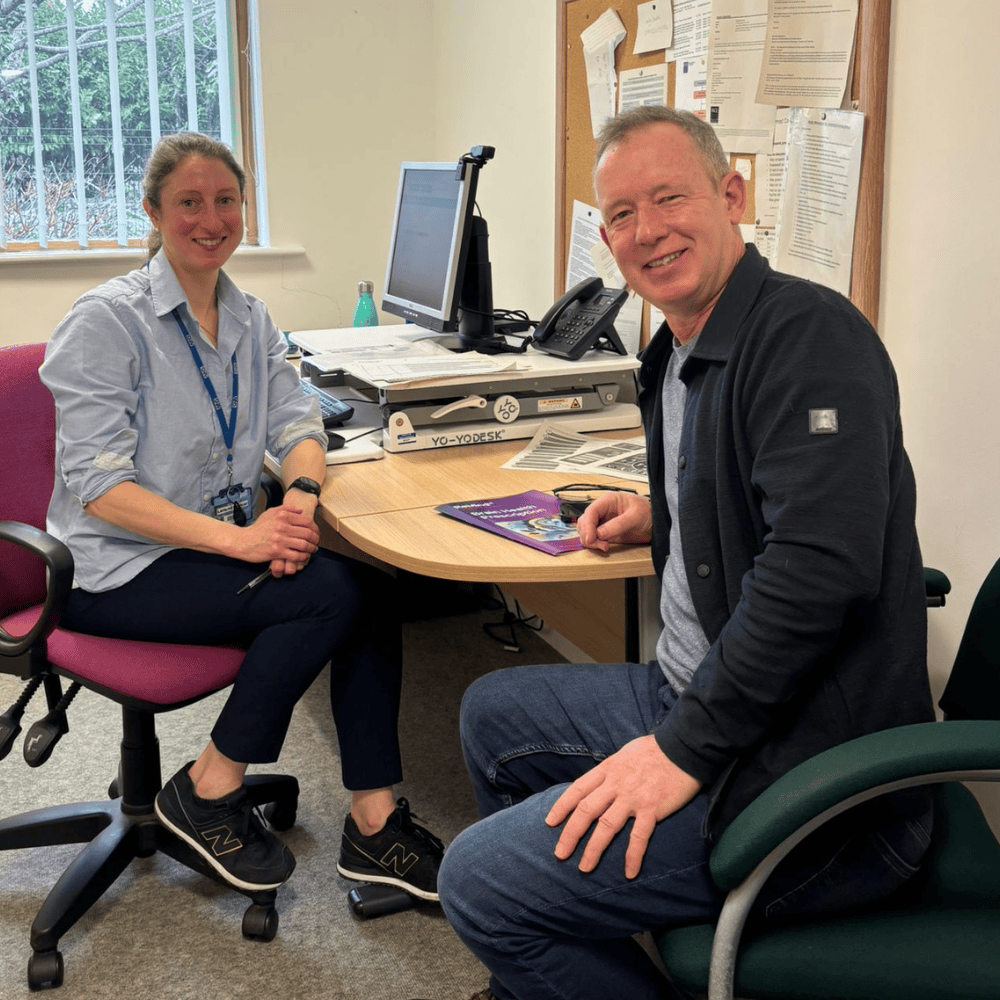
Why I took a brain health assessment: Ian Waller’s story

When Ian Waller visited ReMind UK’s Brain Health Clinic, his motivation was deeply personal. With both his mother and grandmother affected by dementia, Ian wanted to better understand his own risk and, importantly, what he could do about it.

Hearing loss and brain health – what the latest research shows

Many people are already aware that being physically inactive increases your risk of developing dementia, but did you know that there is an association between hearing loss and the risk of developing dementia?

Facing dementia: Anna Mountford’s brain health journey

Anna Mountford, aged 50, from Bradford-on-Avon, shares her family’s experiences of dementia and how it has changed her approach to her own brain health in midlife.

How dementia research is making a real difference for carers: John’s story

When John Desmond’s wife, Linda, was diagnosed with semantic dementia in 2021 at the age of 67, it marked the beginning of a new chapter for them both. Semantic dementia, a form of frontotemporal dementia, affects a person’s ability to use and understand words.

Running for mum: Sue takes on the Bath Half for ReMind UK

This weekend, Sue Mercer will take on the Bath Half Marathon, running 13.1 miles through the city to raise funds for ReMind UK. Sue is no stranger to the Bath Half. Last year she helped coach runners who were raising money for ReMind UK, organising training runs and supporting them along the way.

You’re not alone: How ReMind UK’s Wellbeing Programmes make a difference

ReMind UK Post diagnosis support programme for dementia
Healthcare research and evaluations highlight that peer networks give people something that clinical services alone often don’t provide: connection, understanding, and shared experience. Diagnosis should be the beginning of support, not the end of it, and that’s exactly why ReMind UK’s Post-Diagnosis Support Programme exists.

Why I took a brain health assessment: Ian Waller’s story

When Ian Waller visited ReMind UK’s Brain Health Clinic, his motivation was deeply personal. With both his mother and grandmother affected by dementia, Ian wanted to better understand his own risk and, importantly, what he could do about it.

Facing dementia: Anna Mountford’s brain health journey

Anna Mountford, aged 50, from Bradford-on-Avon, shares her family’s experiences of dementia and how it has changed her approach to her own brain health in midlife.

Embracing brain health after retirement: Sarah Mentiply’s story

Sarah Mentiply, aged 69 from Bath, took part in a Brain Health Clinic pilot organised between Remind UK and St John’s Foundation. Here she shares her experience of the brain health clinic and the changes she has made to her health and wellbeing since her retirement.
Skip to content