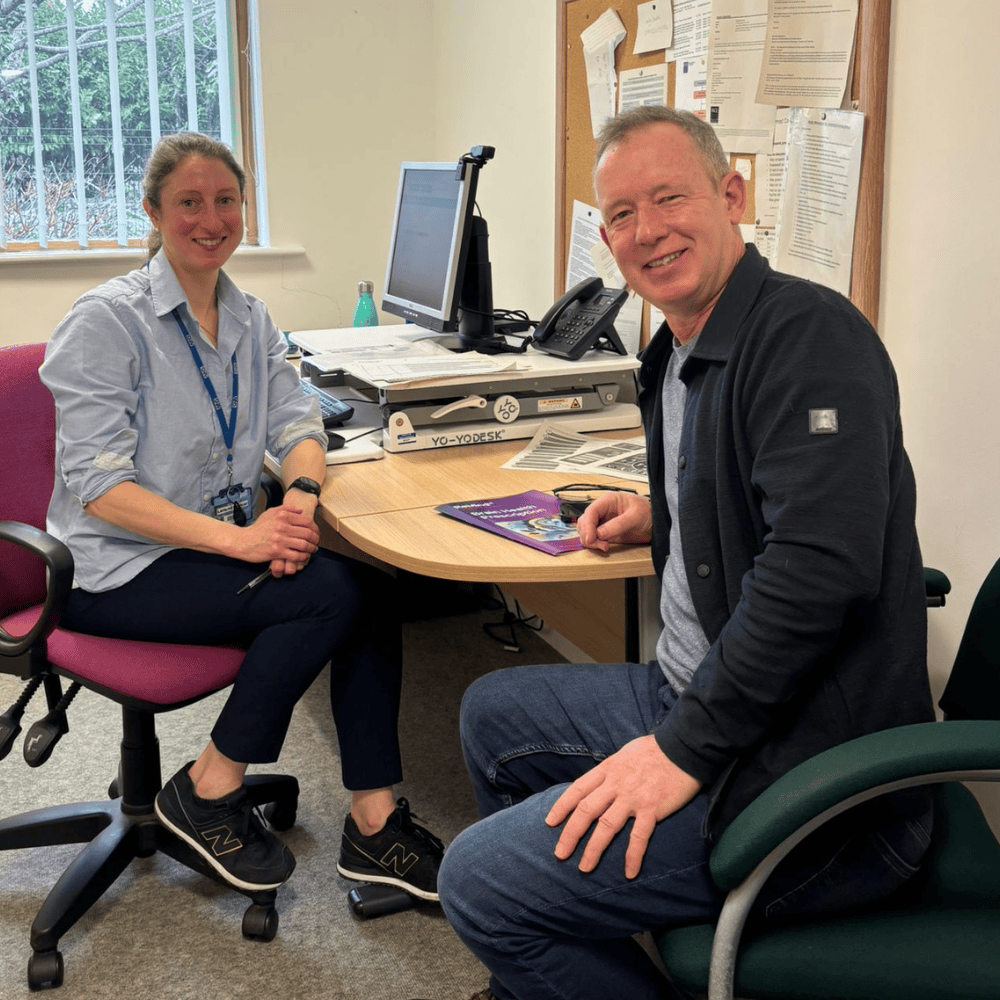

When Ian Waller visited ReMind UK’s Brain Health Clinic, his motivation was deeply personal. With both his mother and grandmother affected by dementia, Ian wanted to better understand his own risk and, importantly, what he could do about it.
Ian’s appointment began with a relaxed and supportive cognitive assessment led by one of the team psychologists. Through a series of memory, reasoning and pattern-recognition exercises, a detailed picture was built of how different areas of his brain were functioning.
“There was absolutely no pressure,” Ian noted. “It felt collaborative, not like an exam.”
He then met with Dr Lorraine Courcier to explore the wider lifestyle factors that influence brain health, including sleep, exercise, diet, alcohol intake and cardiovascular health. The discussion was tailored, informative and practical.
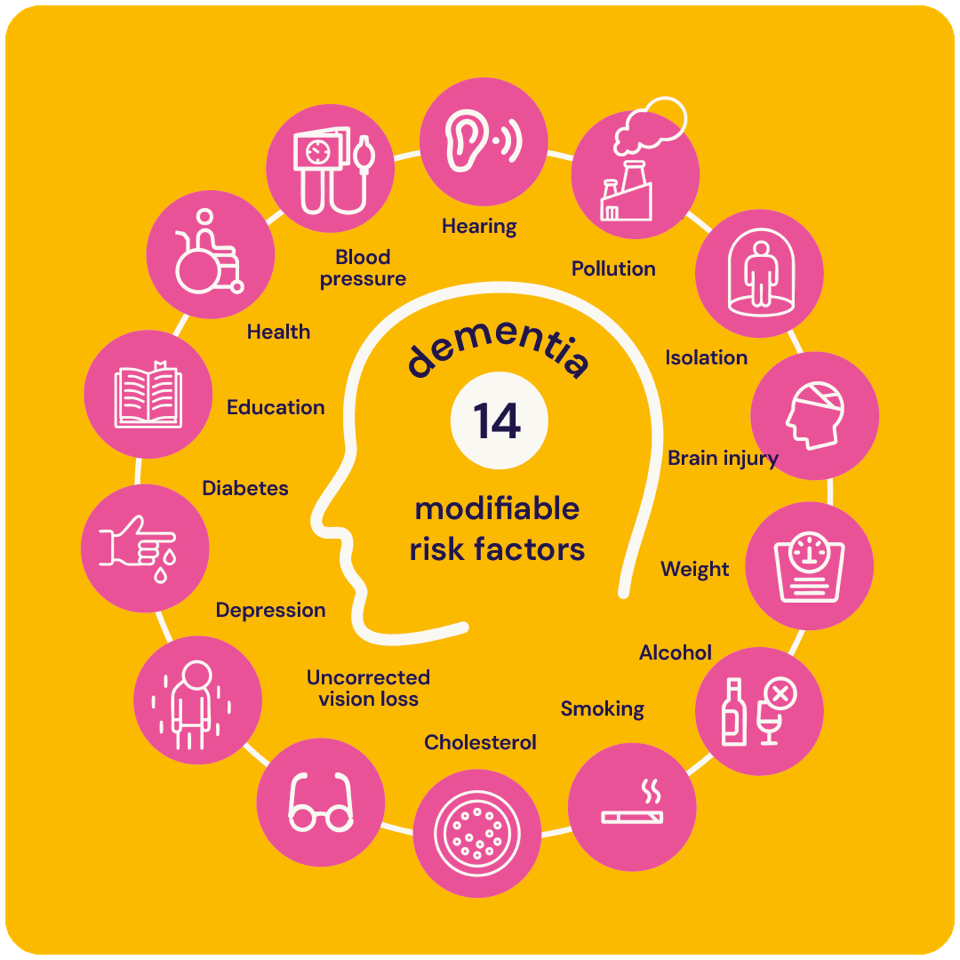
ReMind’s approach reflects growing international evidence that up to 40% of dementia cases may be linked to modifiable risk factors, suggesting there are meaningful steps people can take to reduce their risk. These include staying physically active, managing blood pressure, maintaining a healthy weight, following a Mediterranean-style diet, limiting alcohol, prioritising sleep and staying socially connected.
Following Ian’s appointment our Marketing Officer interviewed Ian about his experience, the short video below highlights several key reasons why he chose to book a brain health assessment and why he would recommend it to others, particularly if there is a history of dementia in the family.
For Ian, the clinic didn’t offer guarantees but it did offer something powerful; clarity and control.
Instead of wondering “what if?”, he left with personalised prescription, a clearer understanding of his risk profile, and a practical plan to protect his long-term brain health.
For more information read Ian’s full story that was recently published on The Bath & Wiltshire Parent’s website.
More news & views

How dementia research is making a real difference for carers: John’s story
When John Desmond’s wife, Linda, was diagnosed with semantic dementia in 2021 at the age of 67, it marked the beginning of a new chapter for them both. Semantic dementia, a form of frontotemporal dementia, affects a person’s ability to use and understand words.

Running for mum: Sue takes on the Bath Half for ReMind UK
This weekend, Sue Mercer will take on the Bath Half Marathon, running 13.1 miles through the city to raise funds for ReMind UK. Sue is no stranger to the Bath Half. Last year she helped coach runners who were raising money for ReMind UK, organising training runs and supporting them along the way.

Cholesterol and brain health: Why it matters for dementia risk
March heralds the start of Spring, longer hours of daylight, new growth and new life. Like nature, we may feel ready to emerge from our hibernation to embrace new personal growth, looking at how we can improve our health. This month as part of our focus on brain health we look at the importance of being aware of the relationship between low density lipoprotein (LDL) cholesterol levels in mid life and dementia risk.