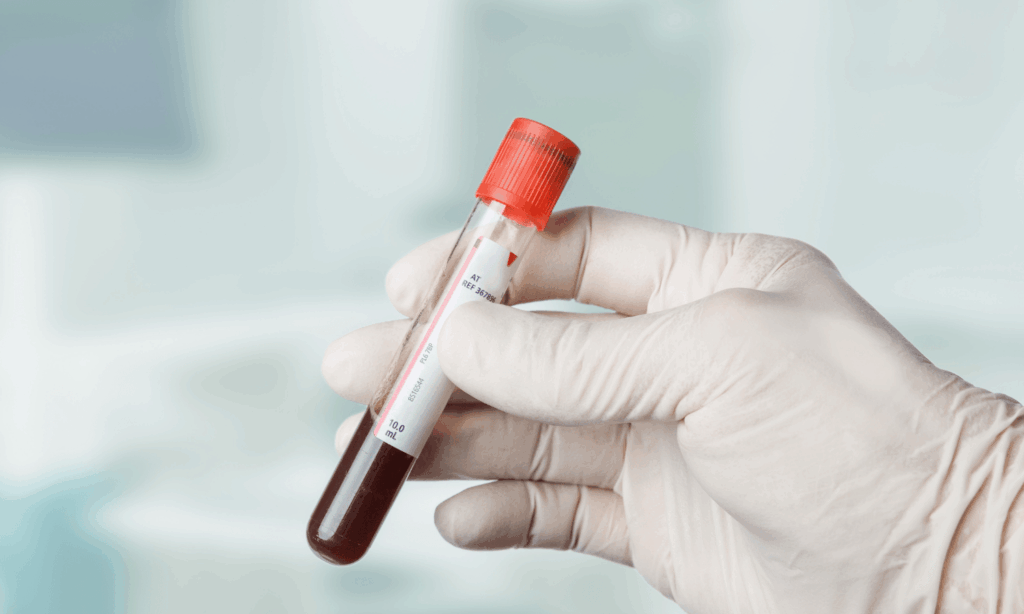

Earlier and more accurate diagnosis is one of the most urgent challenges in dementia care. The READ-OUT (REAl-world Dementia OUTcomes) study, led by Dementias Platform UK (DPUK), aims to address this by evaluating whether blood-based biomarker tests can be safely, accurately, and effectively used to diagnose dementia within real world NHS settings.
ReMind UK is proud to be a research site for READ-OUT, supporting the delivery of this vital study locally and helping people with memory concerns take part in research in a supportive environment. Volunteers play a crucial role in advancing understanding, shaping future diagnostic practice, and ensuring new approaches are grounded in lived experience.
Martin, who volunteered for the study through ReMind UK, shared in an interview with the BBC, how meaningful it would be to better understand the changes he has noticed in his memory, something that a simple blood test could help to clarify. His involvement highlights the essential role that people with lived experience play in advancing dementia research.
If I can find that out by a simple blood test, that either there's nothing to worry about, or perhaps we should look at this more deeply. If that gives people the ability to do that, it's brilliant
Martin Short
Part of the national Blood Biomarker Challenge, READ-OUT is one of the largest studies of its kind in the UK. Over five years, the project will assess which blood biomarkers are most reliable for identifying Alzheimer’s disease and other dementias, how these tests affect clinical decision-making, and what impact earlier diagnosis has on people’s quality of life and access to care.
At ReMind UK, research underpins our work in diagnosis and post-diagnostic support. Studies like READ-OUT bring us closer to a future where dementia can be identified earlier, treated more effectively, and supported more compassionately, improving outcomes for individuals, families and communities.
To learn more about dementia research or taking part in studies through ReMind UK, visit our research pages or contact the team.
More news & views

Why early diagnosis of dementia matters more than ever
Many people delay seeking help when memory problems begin. They may think it is stress, ageing, or “just one of those things.” Families often notice changes too, but hesitate to raise concerns. Yet when it comes to dementia, early diagnosis can make a life-changing difference. It can provide answers, access to treatment, support for families, and the opportunity to plan for the future with confidence. During Dementia Action Week and beyond, one message remains clear – don’t ignore the signs.

What is dementia: understanding the signs, types and support available
Dementia is a condition many people are familiar with by name, yet its reality is often misunderstood. Too often, it is seen simply as part of growing older, when in fact it is a complex and progressive condition that affects memory, thinking, communication, and the ability to manage everyday life.
In the UK, nearly 1 million people are living with dementia, and that number is expected to rise significantly in the coming years. Understanding dementia is the first step toward creating better awareness, earlier diagnosis, and stronger support for those affected.

Why the conversation around anti-amyloid therapies matters
Recent headlines have reignited debate around anti-amyloid therapies for Alzheimer’s disease, following commentary around a review questioning whether these treatments provide meaningful benefit for people living with dementia. ReMind UK’s Research & Medical Director, Dr Tomas Welsh, responds to the debate.