
At ReMind UK we are passionate about supporting individuals to maximise their brain health, aiming to reduce or delay their risk of developing dementia. This month’s brain health blog is focussed on the link between type 2 diabetes and dementia. 

The Lancet Commission reviewed up to date evidence to produce a report documenting fourteen modifiable risk factors for developing dementia.  Theoretically if these 14 modifiable risk factors could be eliminated, nearly half of dementias diagnosed could be prevented.  One of these risk factors is type 2 diabetes. 

What is diabetes?

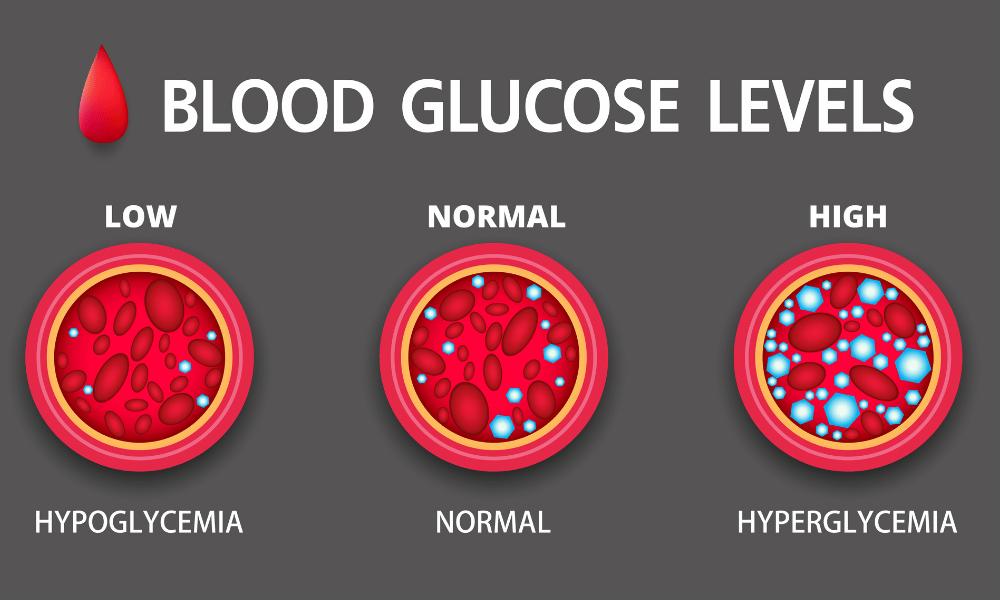
Diabetes is when your blood sugar levels are too high. 

  • Type 1 diabetes is not preventable and is usually due to a problem with the immune system (known as an auto-immune condition). 
  • Type 2 diabetes is when your body does not produce enough insulin, or the insulin is not working properly, known as insulin resistance.  This causes a build up of glucose (sugar) in the blood system, to higher levels than normal.  Sometimes it can cause symptoms, but sometimes people are not aware that their blood sugar levels are raised above normal.

Over time, having a raised blood sugar can increase the risk of developing dementia.  It is thought to be a significant mid-life risk factor.

type 2 diabetes and dementia

How does type 2 diabetes affect brain health?

Further research would help to understand the link between diabetes and dementia in more detail, but at present, current research indicates the link between type 2 diabetes and dementia through a number of mechanisms. 

Over time, poorly controlled diabetes can cause damage to blood vessels. Damage to our brain blood vessels can cause vascular dementia. Type 2 diabetes can also cause our brain cells not to respond to insulin, known as insulin resistance.  Insulin resistance is linked to increased proteins associated with Alzheimer’s Disease.  Increased dementia risk was also linked through diabetes associated increased general inflammation.

Lancet report Diabetes and Dementia

Why earlier diagnosis matters

Type 2 diabetes prevalence in the UK is increasing, being one of the most common chronic diseases in the UK. The current trend is for people at a younger age being diagnosed with diabetes. This is worrying for brain health as The Lancet Commission reported that ‘age of onset’ of type 2 diabetes is significant. They found that the risk for dementia increased with every 5 year decrease in age of type 2 diabetes onset. Currently type 2 diabetes is viewed as a ‘mid-life’ risk factor, with more research needed to identify whether it is a risk factor in later life (over the age of 70 years).

Can type 2 diabetes be prevented?

In recent years there has been a focus on diagnosing people with ‘pre diabetes’ and encouraging them to engage with diabetes prevention programmes. This is to try and help reverse the increasing tide of people living with type 2 diabetes and to look at how diet and physical movement changes can help to prevent going on to develop type 2 diabetes.

Could diabetes medications help prevent dementia?

The link between medications to treat type 2 diabetes and dementia risk is an area of research, with clinical trials examining if certain diabetes medications can reduce the likelihood of people getting dementia.

Protect your brain health for the future

Type 2 diabetes is an increasing chronic medical condition affecting younger people in the UK.  By increasing awareness of the link between type 2 diabetes and dementia we can help empower people to be vigilant to their own risk and what they can do to maximise their brain health.

At ReMind UK, we’re committed to helping people understand the factors that influence brain health. Through our specialist brain health clinic, we empower people to make informed lifestyle choices that may help reduce their risk of dementia and support healthier ageing.

Take control of your brain health today

Discover how personalised advice can protect your long term brain health

More news & views

Andy Burnham speaks of fathers alzheimers disease

Andy Burnham’s personal story highlights the importance of dementia research

The conversation around dementia research has been brought into focus following Prime Minister Andy Burnham’s recent comments about his father’s experience with Alzheimer’s disease. Speaking about the impact of dementia on his family, Burnham described the condition as “cruel” and reflected on the challenges faced by families living with the realities of cognitive decline.

Read More »

How a clinical trial helped Paul find hope again

At just 56, Paul Norman from Whitchurch in Bristol began experiencing worrying changes in his memory and cognitive processing. Everyday tasks that had once been second nature became difficult. He struggled to manage aspects of his work and home life, and even his familiar commuting routes across Bristol started to feel completely unfamiliar. Paul shares his story of how volunteering for a clinical trial restored hope for his future.

Read More »
Brain Health_Cognitive Reserve_Learning an Instrument

Lifelong learning and brain health: Building your cognitive reserve

Education, intellectually stimulating occupations, and mentally challenging activities throughout life are thought to contribute to cognitive reserve. Continuous learning, problem solving and being mentally active can take many forms. A perfect example of participating in a mentally challenging activity would be to learn a new musical instrument, which incorporates multiple cognitive skills.

Read More »
Skip to content