
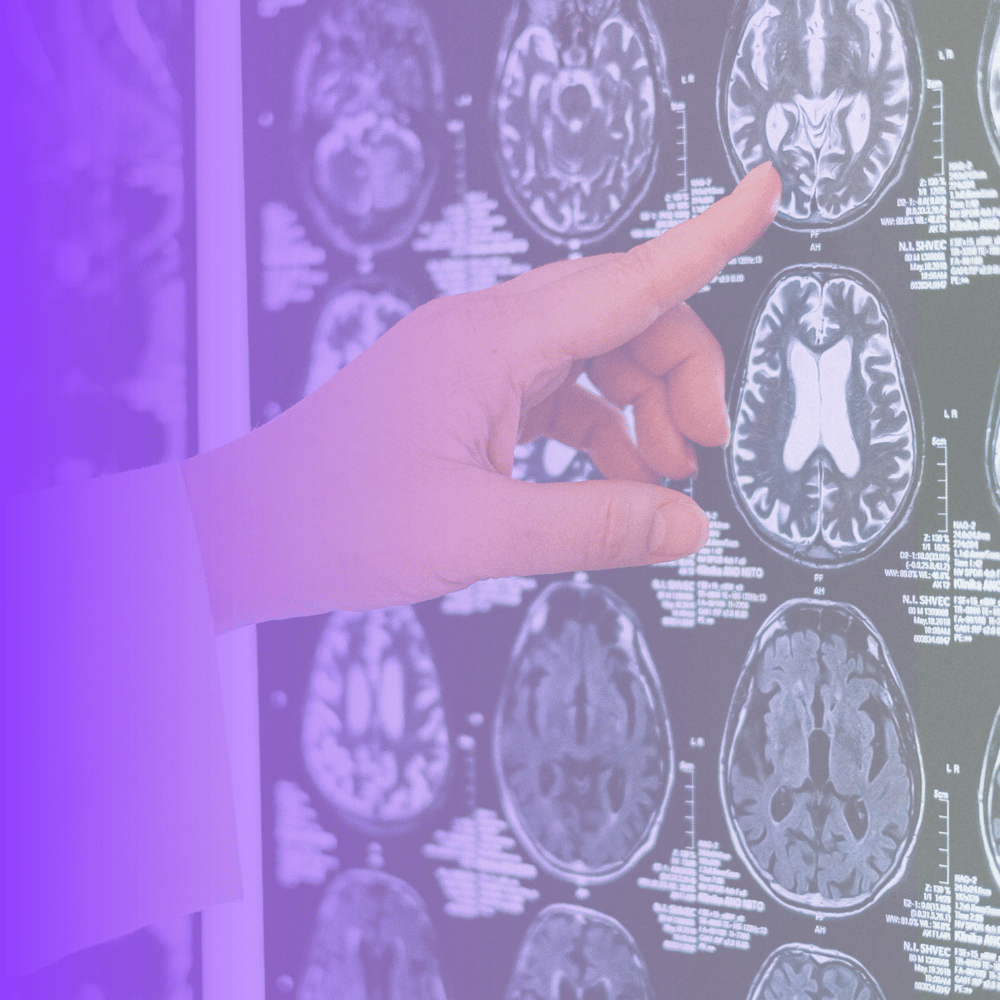

In July, London hosted the Alzheimer’s Association International Conference (AAIC), an annual conference dedicated to advancing dementia science and clinical practice. More than 10,000 distinguished scientists, clinical researchers, early career investigators, clinicians and members of the care research community from across the world came together to share the latest findings and discuss where dementia research is heading.
 
The conference provided an opportunity to reflect on the significant advances made in dementia research over the past 20 years, while also highlighting some of the areas where research is now turning its attention.

Earlier and more accurate diagnosis

ReMind UK’s Lead Research Nurse, Claire Mitchell states “A significant advance in recent years has been the development of blood tests which can detect biological changes linked to the dementia process. Early detection of the disease utilising these tests in conjunction with other clinical assessments enable earlier and more accurate diagnosis.” 
 
Research presented at AAIC demonstrated how these tests could potentially improve the accuracy and accessibility of diagnosis when used alongside clinical assessment. In one large study, the use of a blood test substantially improved the ability of doctors to identify whether Alzheimer’s disease was contributing to a person’s symptoms.
There is also growing interest in whether blood biomarkers could eventually identify changes associated with Alzheimer’s before noticeable symptoms develop.
 
This could be an important development for research. Identifying people at an earlier stage may allow us to understand how the disease develops and, importantly, investigate treatments that could potentially delay or prevent progression.

A broader range of potential treatments

For Alzheimer’s disease, much of the recent focus has been on amyloid, but researchers are increasingly investigating other processes, including tau, inflammation and changes in how brain cells function.

As our understanding of the dementia process increases the potential targets for treatment develop. In the future, it is thought a combination of treatments that tackle different aspects and stage of the disease, for example both tau and amyloid targeting therapies, may be required."

It is possible that, in the future, treatment will not rely on a single drug or approach. Instead, a combination of treatments targeting different aspects or stages of the disease may be required, much as combination therapies are used to treat other complex conditions.
Researchers are also investigating practical questions that will become increasingly important as new treatments develop, including the best way to deliver them,  whether by infusion, injection or tablet, and how long treatment should continue.
Alzheimer's disease research

Protecting brain health

Claire continues, “There was a strong emphasis on the importance of brain health, both in prevention and in optimising resilience following a diagnosis. Findings highlight the potential of tailored lifestyle interventions.”

Research continues to show the potential value of addressing several areas of health together, including physical activity, diet, cardiovascular health, cognitive activity and social engagement, both in reducing the risk of dementia and in supporting people to maintain cognitive and physical wellbeing following a diagnosis.
 
Importantly, there is no single lifestyle change that can guarantee that someone will avoid dementia. Instead, research is helping us understand how a combination of factors may contribute to brain health and how interventions can be tailored to individuals.
 
This reflects the increasingly proactive approach to dementia, looking not only at how we treat the disease, but at what we can do earlier to support brain health and resilience.

Research depends on people

At ReMind UK, we are fortunate to be delivering many of the trials which we hope will shape the landscape of dementia care in the decades to follow. However, none of this research would be able to take place without the participants and their carers who support them."

Every participant who volunteers for a study, and every carer who supports them, makes an important contribution. Whether a trial produces the result researchers hoped for or leads to a different conclusion, every study adds to our understanding and helps shape the next question.
 
The progress discussed at AAIC is a reminder of how far dementia research has come and how much there is still to discover.
 
Research gives us hope. And the people who take part in research are helping to turn that hope into progress.

ReMind UK Memory Services

Get Support

More news & views

What is Alzheimers Disease

What is Alzheimer’s disease

Alzheimer’s disease is the most common cause of dementia, affecting memory, thinking, behaviour, and the ability to carry out everyday activities. It is a progressive disease of the brain, which means symptoms gradually worsen over time.

Understanding Alzheimer’s can help reduce fear and stigma, and encourage people to seek advice early if they notice changes in themselves or someone they care about

Read More »
Skip to content