
The conversation around dementia research has been brought into focus this week following Prime Minister Andy Burnham’s recent comments about his father’s experience with Alzheimer’s disease. Speaking about the impact of dementia on his family, Burnham described the condition as “cruel” and reflected on the challenges faced by families living with the realities of cognitive decline.

His story is a powerful reminder that behind every diagnosis is a person, a family and a future that can be profoundly changed by the impact of the condition.

While the headlines have centred on policy and social care, the story also serves as a powerful reminder of why dementia research matters. With nearly one million people in the UK living with dementia, and numbers expected to rise significantly in the coming decades, continued investment in research is essential to improving diagnosis, treatment and quality of life.

At ReMind UK, we see every day why dementia research matters.

While dementia remains one of the biggest health challenges of our time, there is real reason for hope. Scientific advances are helping researchers understand the diseases that cause dementia in greater detail than ever before. Earlier diagnosis, new treatments and innovative approaches to care are all emerging from decades of dedicated research, offering the potential to improve lives now and for generations to come.

Research is already transforming our understanding of dementia. Advances in brain imaging, biomarkers and risk assessment are helping clinicians identify the disease earlier than ever before, creating opportunities for more personalised interventions and support. Every breakthrough brings us closer to better treatments and, ultimately, the possibility of preventing or delaying the onset of dementia.

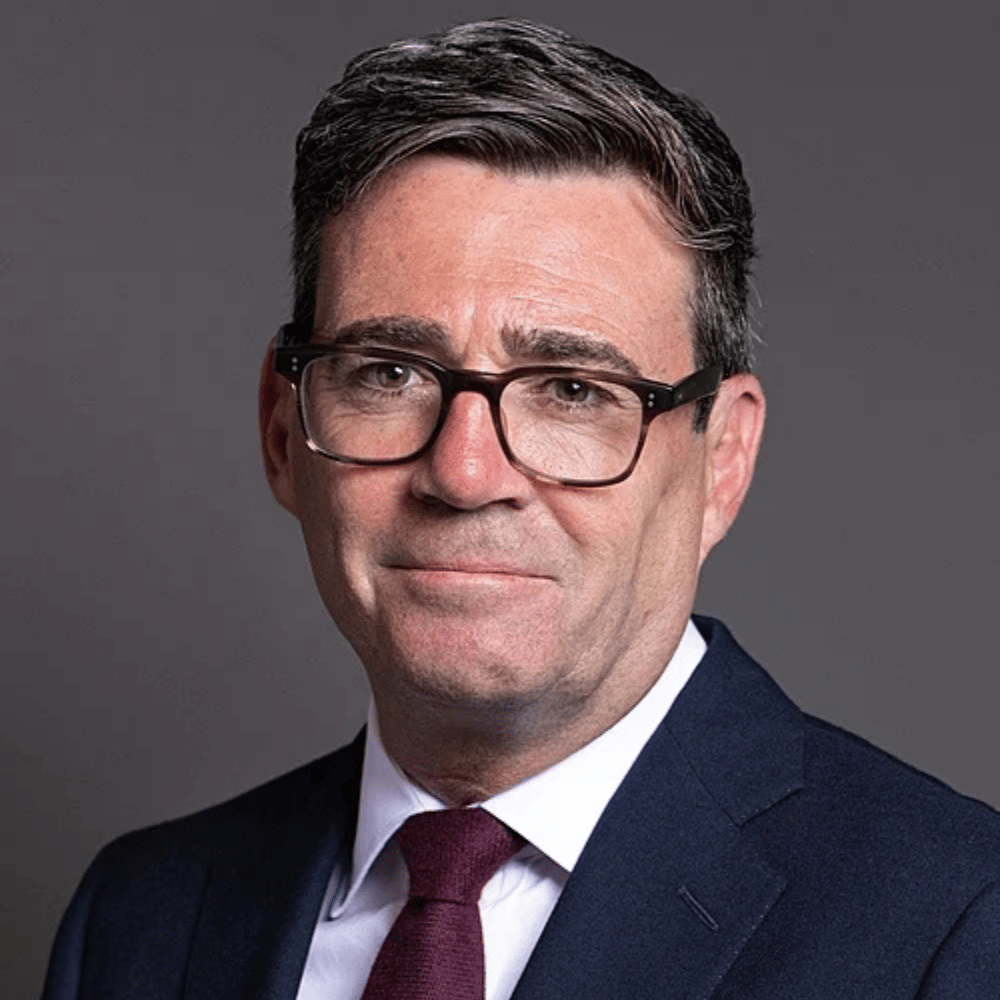
Andy Burnham speaks of fathers alzheimers disease
House of Commons, CC BY 3.0 , via Wikimedia Commons
As an independent charity, ReMind UK is committed to accelerating that progress. Through our Research Institute for Brain Health, we are helping to drive forward research that improves understanding, diagnosis and treatment of dementia. Alongside pioneering studies and clinical trials, we provide expert assessment, diagnosis and support services that help people navigate their dementia journey with confidence and dignity.
 
Burnham’s reflections on his father’s journey highlight something many families know all too well: dementia affects far more than memory. It impacts relationships, independence and quality of life. That is why research remains so important, not only to develop future treatments but also to provide the knowledge that can improve lives today.
 
At ReMind UK, our vision is a future where dementia is diagnosed earlier, treated more effectively and, ultimately, prevented. Achieving that vision depends on continued investment in research, innovation and collaboration.
 
Because every breakthrough starts with research, and every piece of research starts with people.
 
Let’s Get Ahead of Dementia.

More news & views

How a clinical trial helped Paul find hope again

At just 56, Paul Norman from Whitchurch in Bristol began experiencing worrying changes in his memory and cognitive processing. Everyday tasks that had once been second nature became difficult. He struggled to manage aspects of his work and home life, and even his familiar commuting routes across Bristol started to feel completely unfamiliar. Paul shares his story of how volunteering for a clinical trial restored hope for his future.

Read More »
Brain Health_Cognitive Reserve_Learning an Instrument

Lifelong learning and brain health: Building your cognitive reserve

Education, intellectually stimulating occupations, and mentally challenging activities throughout life are thought to contribute to cognitive reserve. Continuous learning, problem solving and being mentally active can take many forms. A perfect example of participating in a mentally challenging activity would be to learn a new musical instrument, which incorporates multiple cognitive skills.

Read More »

READ-OUT study’s 1000th participant recruited at ReMind UK

Bob became the 1,000th volunteer to join the READ-OUT trial, an important milestone that shows the difference people can make by taking part in clinical research. After being diagnosed with mild cognitive impairment (MCI), he chose to take part in the READ-OUT trial, a major national dementia research study exploring whether blood tests could help diagnose dementia earlier and more accurately. Bob said that if his experience could help others facing the same uncertainty, it was worth it.

Read More »
Skip to content