
Dementia is a word many people have heard, but far fewer truly understand.

It is often mistaken as a normal part of ageing, but dementia is not simply “getting older.” It is a progressive condition that affects memory, thinking, communication, and the ability to manage everyday life.

In the UK, nearly 1 million people are living with dementia, and that number is expected to rise significantly in the coming years . Understanding dementia is the first step toward creating better awareness, earlier diagnosis, and stronger support for those affected.

What Is Dementia?

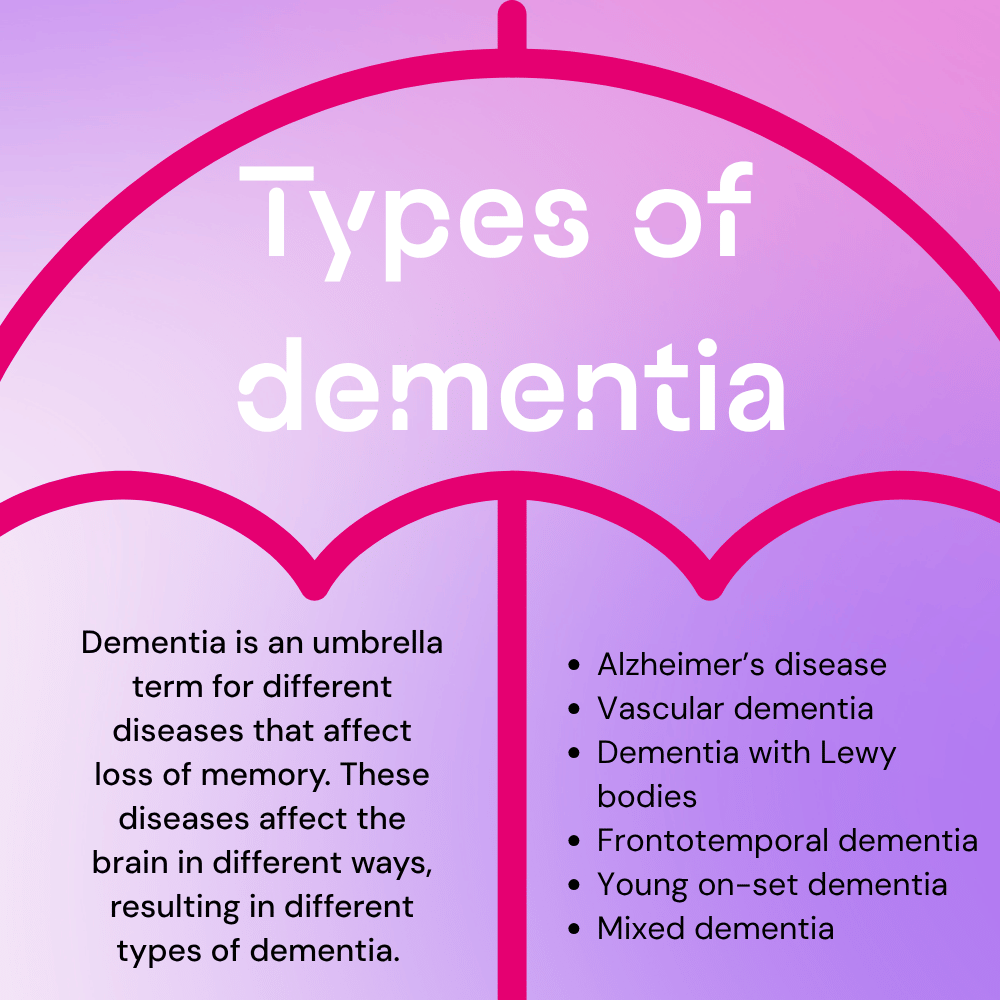
Dementia is not a single disease, it is a syndrome caused by a range of brain disorders that progressively damage cognitive function.

It can affect :

  • Memory
  • Thinking and reasoning
  • Language and communication
  • Problem-solving
  • Mood and behaviour
  • Ability to perform everyday tasks

These symptoms become severe enough to interfere with daily life and independence.

Although dementia is more common in older adults, it is not a normal part of ageing. It is caused by diseases that damage brain cells over time.

Common Types of Dementia

There are several different types of dementia, each with its own symptoms and progression.

Alzheimer’s Disease

Alzheimer’s is the most common form of dementia, accounting for around 60–70% of cases .

Early signs often include:

  • Short-term memory loss
  • Difficulty learning new information
  • Repeating questions
  • Confusion about time or place

As it progresses, people may experience deeper memory loss, personality changes, and increasing confusion.

Vascular Dementia

This type is caused by reduced blood flow to the brain, often after strokes or small vessel disease.

Common symptoms include:

  • Difficulty planning or making decisions
  • Slower thinking
  • Poor concentration
  • Personality changes
  • Confusion

Dementia with Lewy Bodies

This form can cause:

  • Fluctuating attention and alertness
  • Visual hallucinations
  • Sleep disturbances
  • Parkinson’s-like movement symptoms such as stiffness or tremors

Frontotemporal Dementia (FTD)

Often affecting younger people, FTD usually presents with:

  • Personality and behavioural changes
  • Loss of empathy
  • Difficulty with speech and language
  • Reduced judgement or inappropriate behaviour

Early Signs of Dementia

Symptoms can develop slowly and may be easy to dismiss at first.

Common early warning signs include:

  • Forgetting recent events or appointments
  • Losing items frequently
  • Difficulty finding the right words
  • Getting lost in familiar places
  • Repeating conversations or questions
  • Struggling with planning or managing finances
  • Mood changes such as anxiety, irritability, or withdrawal

These signs should not be ignored, especially when they begin to affect daily life.

The Stages of Dementia

Dementia usually progresses gradually over time.

Early Stage (Mild)

People may still live independently but notice:

  • Mild memory lapses
  • Difficulty concentrating
  • Slight confusion
  • Increased anxiety about memory problems

Middle Stage (Moderate)

Symptoms become more noticeable and support is often needed for:

  • Cooking and household tasks
  • Managing money
  • Personal care
  • Communication and social interaction

Mood changes, wandering, and hallucinations may also develop.

Late Stage (Severe)

In advanced dementia, individuals may:

  • Lose the ability to communicate clearly
  • No longer recognise loved ones
  • Need full-time care
  • Require support with eating, mobility, and personal care

Every person’s experience is different, but dementia is always progressive.

Support is available

A dementia diagnosis can feel overwhelming, but no one should face it alone.

Support is available through:

The right support can make a significant difference for both individuals and families.

More news & views

How vision loss may contribute to dementia

When was the last time you attended for an eye test? Was it due to having symptoms you were concerned about, or for a routine check-up? Would your attendance for eye checks alter if you knew that untreated vision loss is now thought to be a potentially modifiable risk factor for dementia? This month we explore untreated vision loss as a potentially modifiable risk factor for dementia.

Read More »

Why early diagnosis of dementia matters more than ever

Many people delay seeking help when memory problems begin. They may think it is stress, ageing, or “just one of those things.” Families often notice changes too, but hesitate to raise concerns. Yet when it comes to dementia, early diagnosis can make a life-changing difference. It can provide answers, access to treatment, support for families, and the opportunity to plan for the future with confidence. During Dementia Action Week and beyond, one message remains clear – don’t ignore the signs.

Read More »

Why the conversation around anti-amyloid therapies matters

Recent headlines have reignited debate around anti-amyloid therapies for Alzheimer’s disease, following commentary around a review questioning whether these treatments provide meaningful benefit for people living with dementia. ReMind UK’s Research & Medical Director, Dr Tomas Welsh, responds to the debate.

Read More »
Skip to content