

Many people delay seeking help when memory problems begin. They may think it is stress, ageing, or “just one of those things.” Families often notice changes too, but hesitate to raise concerns. Yet when it comes to dementia, early diagnosis can make a life-changing difference. It can provide answers, access to treatment, support for families, and the opportunity to plan for the future with confidence.
During Dementia Action Week and beyond, one message remains clear – don’t ignore the signs.
Why people delay seeking help
“Dementia usually develops gradually”, says Cathy Wernham, a doctor at ReMind UK. “Symptoms might include a difficulty with learning new tasks, or struggling with processing a complex series of actions – such as baking or cooking a roast dinner. They might be less secure with computer passwords or need help with manging their finances. Being less able to navigate or deal with unexpected changes to routine can also signal that the brain is less resilient than before”.
For many people, early signs such as forgetfulness, confusion, or changes in mood can be subtle. They may be explained away or hidden due to fear, stigma, or uncertainty.
Common reasons people delay diagnosis include:
- Assuming symptoms are part of normal ageing
- Fear of what the diagnosis might mean
- Lack of understanding about dementia
- Worry about losing independence
- Family members being unsure how to raise concerns
Unfortunately, this delay can mean people miss out on valuable support.
The benefits of early diagnosis
There is currently no cure for dementia, but early diagnosis opens the door to better care and better quality of life.
A diagnosis helps people:
- Access medication that may help manage symptoms
- Receive specialist support from memory clinics
- Understand what type of dementia they have
- Plan future care, finances, and legal decisions
- Connect with support groups and local services
- Help family members understand how to provide support
Dementia usually develops gradually
Dr Cathy Wernham
How dementia is diagnosed
A diagnosis process usually begins with a visit to a GP.
Step 1: GP Assessment
The GP will ask about symptoms, medical history, and daily functioning. They may carry out:
- A physical examination
- Blood tests
- Memory and thinking assessments
- Checks to rule out other causes such as depression or vitamin deficiencies
Step 2: Referral to a Specialist
If dementia is suspected, the GP will refer the person to a memory clinic or specialist such as a neurologist or geriatrician.
Step 3: Memory Clinic Assessment
Further investigations may include:
- Detailed cognitive testing
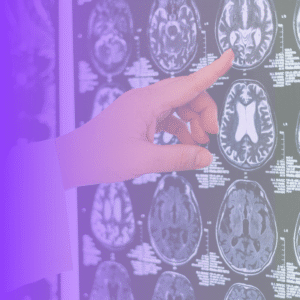
- Brain scans such as CT or MRI
- Functional assessments
- Additional tests if needed to confirm the diagnosis
Step 4: Diagnosis and Care Planning
Once the diagnosis is confirmed, the person and their family receive guidance on treatment options, care planning, and available post diagnosis support services.
The cost of late diagnosis
Around 1 in 3 people in the UK living with dementia do not have a formal diagnosis. This means many people are living without:
- Appropriate medical support
- Financial guidance
- Carer support
- Emotional reassurance
- Access to dementia services
When should you speak to a GP?
If memory problems or behavioural changes are becoming noticeable, persistent, or affecting everyday life, it is time to seek advice.
Examples include:
- Repeated forgetfulness
- Confusion in familiar places
- Difficulty managing finances or appointments
- Personality or mood changes
- Trouble following conversations
- Increased withdrawal or anxiety
“Although no one wants to receive a diagnosis of dementia, there is a lot to be gained from early and accurate diagnosis” says Dr Wernham. Understanding what is going on will enable more effective interventions to be made earlier. Although we don’t yet have a cure, early action may help to enhance quality of life, retain function and independence for longer “.
Although no one wants to receive a diagnosis of dementia, there is a lot to be gained from early and accurate diagnosis”
Dr Wernham continues, “Understanding what is going on will enable more effective interventions to be made earlier. Although we don’t yet have a cure, early action may help to enhance quality of life, retain function and independence for longer “.
ReMind UK offer a memory assessment service, research participation oppotunities and a range of post diagnosis support.
More news & views

How vision loss may contribute to dementia
When was the last time you attended for an eye test? Was it due to having symptoms you were concerned about, or for a routine check-up? Would your attendance for eye checks alter if you knew that untreated vision loss is now thought to be a potentially modifiable risk factor for dementia? This month we explore untreated vision loss as a potentially modifiable risk factor for dementia.

What is dementia: understanding the signs, types and support available
Dementia is a condition many people are familiar with by name, yet its reality is often misunderstood. Too often, it is seen simply as part of growing older, when in fact it is a complex and progressive condition that affects memory, thinking, communication, and the ability to manage everyday life.
In the UK, nearly 1 million people are living with dementia, and that number is expected to rise significantly in the coming years. Understanding dementia is the first step toward creating better awareness, earlier diagnosis, and stronger support for those affected.

Why the conversation around anti-amyloid therapies matters
Recent headlines have reignited debate around anti-amyloid therapies for Alzheimer’s disease, following commentary around a review questioning whether these treatments provide meaningful benefit for people living with dementia. ReMind UK’s Research & Medical Director, Dr Tomas Welsh, responds to the debate.