You’re not alone: How ReMind UK’s Wellbeing Programmes make a difference

Research consistently shows that, following diagnosis of a memory condition, too many people are left without meaningful support, and that this can lead to isolation and confusion as well as social withdrawal which in turn, can lead to further health related issues. The British Geriatrics Society has highlighted the need for better structured post-diagnosis care.

Post diagnosis support, tailored for individuals diagnosed with a memory condition and those who care for them, helps fill an important gap. Research and lived experience alike show that connecting with others who understand your situation can:

  • reduce feelings of isolation
  • increase confidence
  • provide practical coping strategies
  • build lasting friendships
  • provide vital cognitive stimulation

Diagnosis should be the beginning of support, not the end of it, and that’s exactly why ReMind UK’s Post-Diagnosis Support Programme exists.

Why Peer Support Matters

Healthcare research and evaluations highlight that peer networks give people something that clinical services alone often don’t provide: connection, understanding, and shared experience. For example, national evaluations of peer support networks in dementia care found that people with dementia and their families reported that peer support positively impacted their wellbeing and quality of life, especially during the period after diagnosis when formal support can be difficult to access. (GOV.UK)

Studies into peer support for dementia also underline clear benefits:

  • People with dementia attending peer groups experience mental stimulation and a reduction in loneliness and isolation. (PubMed)
  • Carers report lower stress and care burden when they can share challenges with peers who understand what they’re going through. (PubMed)
  • Support groups can generate social value greater than the investment needed to run them, thanks to these emotional and practical benefits. (PubMed)

Another study focusing specifically on carers found that peer support helped foster empathetic, trusting relationships, significantly increasing perceived social support and reducing feelings of isolation. (ScienceDirect)

So, while every person’s experience is unique, there is strong evidence that peer support is a meaningful part of life after diagnosis and helps people affected to live well for longer.

What Makes ReMind UK’s Post-Diagnosis Support Different?

At ReMind UK, our Post-Diagnosis Support aims to support people and their families after their memory condition or dementia has been diagnosed, which can be a difficult time for all.

We offer a blend of in-house dementia support courses, one off events and activities, carer information days and 10 week wellbeing programmes out in the community which are designed to offer structure, variety, and genuine connection.

As Stuart shared about attending a 10 week wellbeing course with Barbara:

“I think it’s been the variation every week. There’s been something different. And it’s the sort of thing that we’re not sure about when we come, but when we get into it, we’re both enjoying it.”

That gentle structure matters. When so much feels uncertain, knowing there is a welcoming place each week with something engaging and new creates reassurance.

Barbara explains what it feels like to attend:

“I’m relaxed. I feel I’m among people that are probably going through the same thoughts and things that I do… It is a comfort to come here and hear other people’s stories and learn from them that I’m not in a world of my own.”

That sense of “I’m not in a world of my own” is transformative.

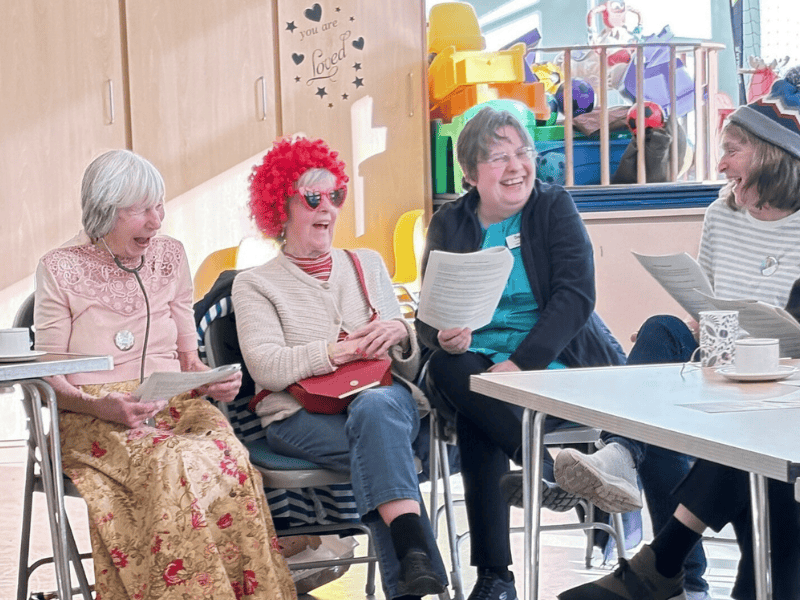
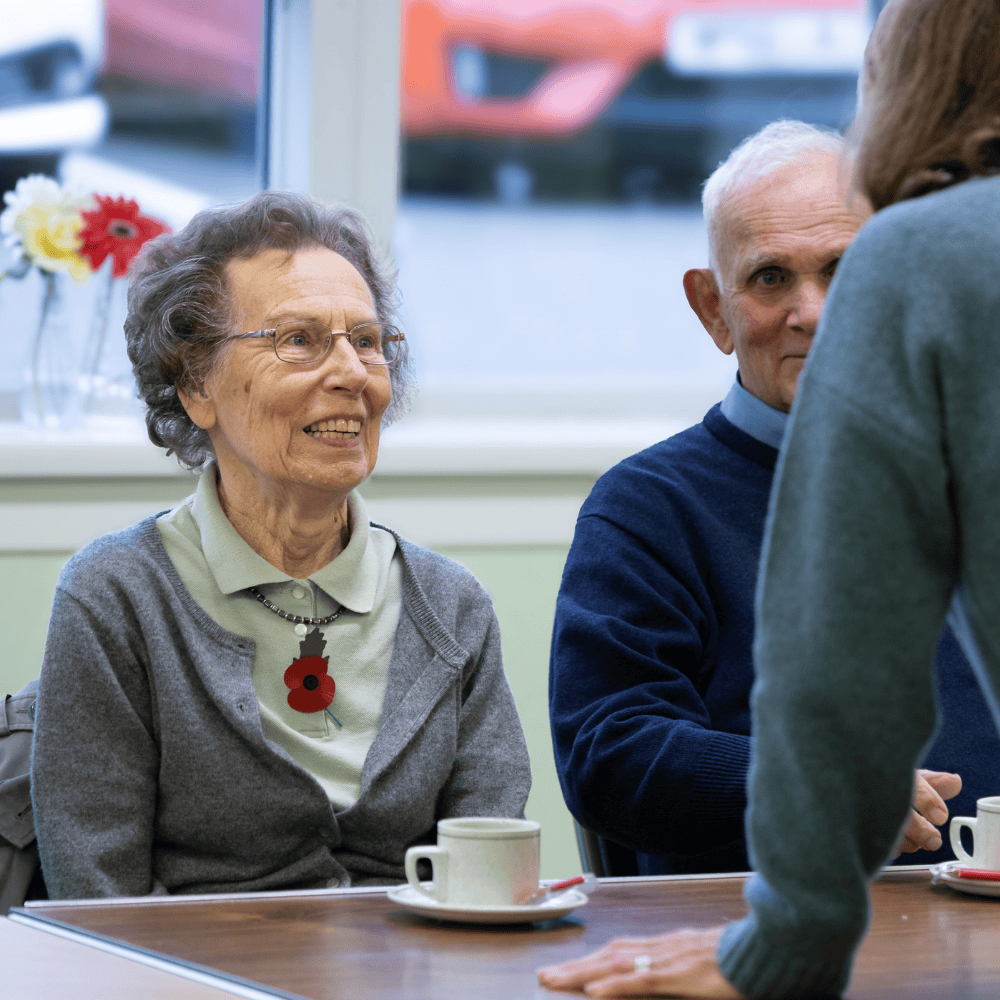
ReMind UK Post diagnosis support programme for dementia

The Emotional Benefits

Research shows peer support helps reduce:

  • Isolation
  • Anxiety following diagnosis
  • Loss of confidence
  • Feelings of stigma

Barbara describes something many people with a memory condition quietly experience:

“I can’t understand why I do them half the time… But it is comfort to come here and hear other people’s stories… that there are other people suffering the same way as I am.”

Often, during ReMind UK’s 10 week Wellbeing Programme, people realise their experiences are shared. That recognition builds self-compassion and reduces shame, it also builds confidence:

Barbara continues, “It gives me confidence to do things maybe that I haven’t felt I could do in the past… and just start to enjoy life and feel at home with people. It makes a big difference.”

Variety, Creativity and Living Well

Another powerful theme from research is the importance of creativity and shared activities.

People with dementia often describe art, music, discussion and shared projects as therapeutic. They provide stimulation, enjoyment, and an alternative way to express feelings.

Stuart reflected on the weekly variation:

“There’s been something different… we’re both enjoying it.”

Even when memory is affected, the emotional impact remains:

“Barbara can’t remember a lot of things, but she knows she’s done it and she’s quite enjoying the things.”

Enjoyment, relaxation, belonging, these experiences matter deeply.

You Don’t Have to Navigate This Alone

Globally, over 55 million people live with dementia and that number is expected to rise significantly in coming decades. Yet too many individuals report feeling abandoned after diagnosis.

ReMind UK believes diagnosis should open a door to community, not close one.

Our Post-Diagnosis 10-week Wellbeing Programme offers:

  • A safe, welcoming environment
  • Shared understanding
  • Confidence building
  • Creativity and engagement
  • Support for carers alongside the person diagnosed

As Barbara says:

“It makes a big difference. Yes, very much so.”

Take the Next Step with ReMind UK

If you or someone you care about has recently received a dementia diagnosis, you are not alone, ReMind UK’s Post-Diagnosis Wellbeing Programme is here to walk alongside you. Come along. See how it feels. You may find, like Barbara did, that you feel relaxed, understood, and at home among people who truly “speak the same language.”

Find out more and sign up: 10 week Wellbeing Programmes

ReMind UK’s Post Diagnosis Support: What we offer:

  • Wellbeing programmes (10-week course)
  • Creative and wellbeing activities (day activities)
  • Carers information days
  • Support for carers alongside the person with dementia

More news & views

Running for mum: Sue takes on the Bath Half for ReMind UK

This weekend, Sue Mercer will take on the Bath Half Marathon, running 13.1 miles through the city to raise funds for ReMind UK. Sue is no stranger to the Bath Half. Last year she helped coach runners who were raising money for ReMind UK, organising training runs and supporting them along the way.

Read More »

Cholesterol and brain health: Why it matters for dementia risk

March heralds the start of Spring, longer hours of daylight, new growth and new life. Like nature, we may feel ready to emerge from our hibernation to embrace new personal growth, looking at how we can improve our health. This month as part of our focus on brain health we look at the importance of being aware of the relationship between low density lipoprotein (LDL) cholesterol levels in mid life and dementia risk.

Read More »
Skip to content