
Embracing brain health after retirement: Sarah Mentiply’s story

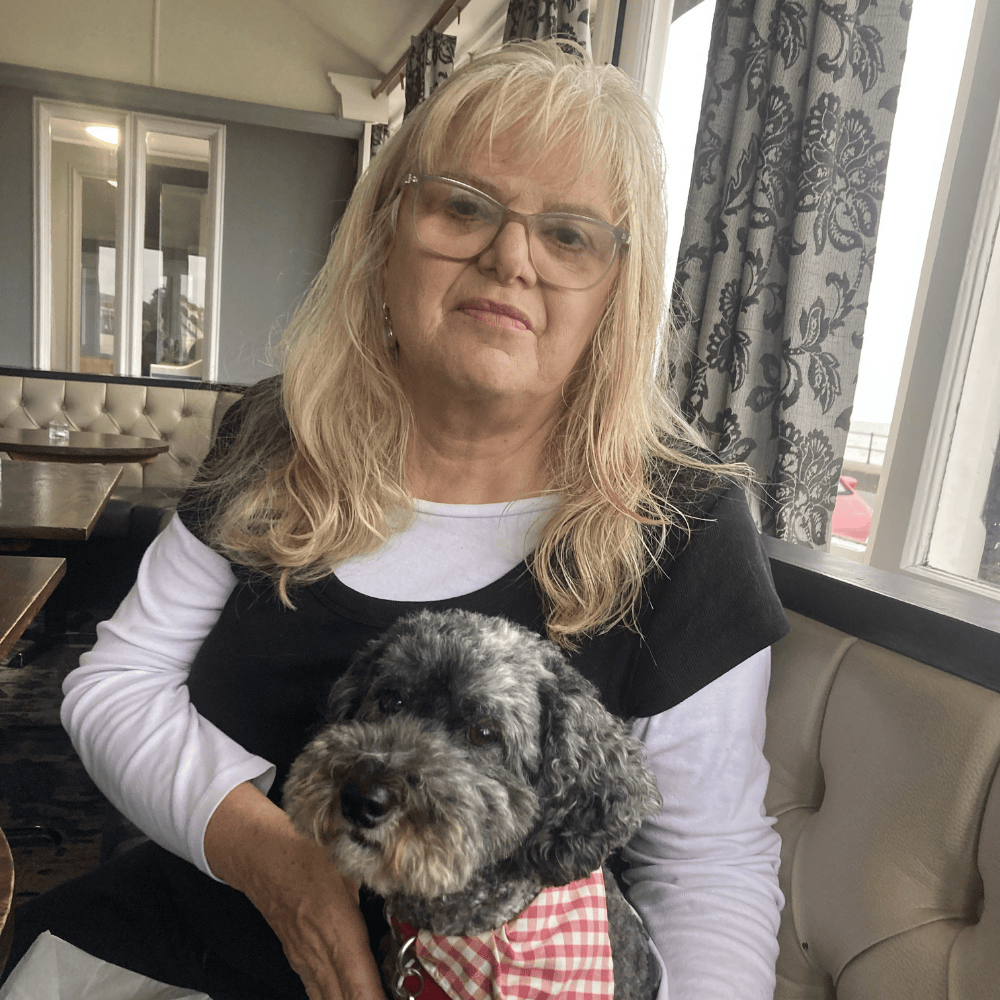
Sarah Mentiply, aged 69 from Bath, took part in a Brain Health Clinic pilot organised between Remind UK and St John’s Foundation where Sarah attends classes. Sarah is a retired mental health nurse who worked in Bath and Bristol for much of her nursing career. Here she shares her experience of the brain health clinic and the changes she has made to her health and wellbeing since her retirement;

Sarah said; “Having worked in nursing and healthcare I am very conscious of my brain health and staying healthy and I’m keen to do all I can to reduce my dementia risk. I also have experience of the challenges and heartbreak caused by dementia as my Dad was severely ill with dementia before he died despite having had a very healthy life.”

Since I retired I’ve felt a real sense of urgency to use my time wisely, so I fill my weeks with lots of interesting and challenging classes to keep my brain and body active. I was very really nervous about retiring as I thought I would lose my social network but I’ve actually met lots of new people. At St John’s I can access amazing opportunities to mix with their residents and staff in a wide choice of classes including sewing, pilates, yoga, ballet and Tai Chi. The Tai Chi classes are a great way to gently exercise your body but also to keep your brain active learning all the different movements in the routine.”

“We are very lucky in Bath to have so many subsidised classes available to retired people like myself and I enjoy going to Aqua Aerobics at Bath Leisure Centre and swimming at the outdoor pool at the RUH, Bath in the summer. I also attend a Level 3 Spanish language course at Bath College and really enjoy challenging my brain and memory, meeting new people and being in that busy environment. I also keep my brain active by doing lots of puzzles like online Scrabble or I use Duolingo to challenge myself with maths, music or Spanish.”

Sarah continues, “When I visited the Remind UK Centre for the Brain Health Clinic, the whole session took about 1 hour 15 minutes. I had to fill in an easy questionnaire with a psychologist which was a really interesting process. Then I met a memory physician, Dr Lorraine Courcier, and she checked my blood pressure, read my blood test results and asked me questions about my health and lifestyle to find out what my dementia risk is now and how I can reduce it for the future.”

At the end, I was given a personalised prescription booklet listing my current health details and ideas for reducing my dementia risk by making lifestyle changes and getting a hearing check-up. I am delighted that I had a low risk of dementia and also pleased to learn ways that I could alter my future risk by making small changes to my lifestyle habits.”

“I am happy to recommend the Brain Health Clinic at ReMind UK and I would say go for it and don’t let your nerves stop you from trying this clinic. You never know your brain health results might be better than you think and if not, surely it is better to be informed, as they say - knowledge is power.”

Sarah concludes, “The clinic is easy to do and not intrusive or difficult, I found it really interesting and I was very grateful to have all the brain health information and advice in an easy-to-follow booklet to take home with me.

More news & views

How a clinical trial helped Paul find hope again

At just 56, Paul Norman from Whitchurch in Bristol began experiencing worrying changes in his memory and cognitive processing. Everyday tasks that had once been second nature became difficult. He struggled to manage aspects of his work and home life, and even his familiar commuting routes across Bristol started to feel completely unfamiliar. Paul shares his story of how volunteering for a clinical trial restored hope for his future.

Read More »
Brain Health_Cognitive Reserve_Learning an Instrument

Lifelong learning and brain health: Building your cognitive reserve

Education, intellectually stimulating occupations, and mentally challenging activities throughout life are thought to contribute to cognitive reserve. Continuous learning, problem solving and being mentally active can take many forms. A perfect example of participating in a mentally challenging activity would be to learn a new musical instrument, which incorporates multiple cognitive skills.

Read More »

READ-OUT study’s 1000th participant recruited at ReMind UK

Bob became the 1,000th volunteer to join the READ-OUT trial, an important milestone that shows the difference people can make by taking part in clinical research. After being diagnosed with mild cognitive impairment (MCI), he chose to take part in the READ-OUT trial, a major national dementia research study exploring whether blood tests could help diagnose dementia earlier and more accurately. Bob said that if his experience could help others facing the same uncertainty, it was worth it.

Read More »
Skip to content