



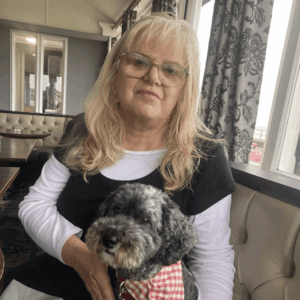
Anna Mountford, aged 50, from Bradford-on-Avon, shares her family’s experiences of dementia and how it has changed her approach to her own brain health in midlife;
“Both of my parents currently have dementia. My dad was diagnosed several years ago when they were still living in Staffordshire, where dementia care is very GP led, much like it is in Wiltshire. Without access to a specialist dementia team, the process was incredibly difficult. My sister and I struggled to persuade not only my dad, but both of my parents, to seek help. They were frightened, and my mum was especially worried that my dad would not cope with the news and might fall into a depression. Because of that fear, they avoided pursuing a diagnosis for a long time, and looking back, that delay meant he missed the chance for earlier support that might have helped slow the progression of the disease.
When it came to my mum, things were quite different and they had moved down to Wiltshire, for family support. By then, she had already seen what my dad had gone through, and although she was still scared, she was more open to seeking help. Her experience was also shaped by the strong, trusting relationship she had built with her GP in Wiltshire through managing other health issues. The care was still GP led, but in her case her doctor picked up on signs that something was not quite right and encouraged her to discuss her concerns. This meant her diagnosis process was far more straightforward and supportive than my dad’s.
I’m 50 in January, and because of my parents’ illnesses, as well as my own health challenges with Type 1 diabetes, which is a genetic autoimmune condition, and my stage of life, I do think about the future and my own risk of dementia. Although Type 1 diabetes itself is not a modifiable factor, it is one of the 14 risks highlighted in the 2024 Lancet Commission Report, so managing it well is an important part of looking after my long-term health.
This has made me very focused on prioritising my wellbeing and taking small, sustainable steps in my forties to reduce my risk later in life. I have changed my diet, increased my hydration, and become more consistent with exercise, and I am always interested in learning about evidence-based ways to lower the risks.
I also try to keep my brain active through my busy home and work life, and by regularly challenging myself with sudoku, jigsaws and other puzzles.
Anna Mountford
There’s still a lot of misunderstanding and fear about what dementia is and how people can reduce their risk. Many people don’t realise that lifestyle changes can make such a difference, even before any symptoms appear, although of course some factors cannot be predicted, such as a future brain injury or illness. If we can give people access to good information early, and encourage them to seek help or guidance long before they are worried about symptoms, we have a much better chance of supporting brain health throughout their lives.
We need more funding for dementia research, and I’m especially keen to understand how to identify my personal risk and what we now know about the underlying causes of dementia. Too many people still believe it is purely genetic or an inevitable part of ageing, when in reality dementia is a set of symptoms caused by specific diseases, such as Alzheimer’s.
This is why I think Remind UK’s new Brain Health Clinic is such a positive and much-needed initiative. Unlike the GP-led approach my parents experienced, Remind UK offers specialist, dedicated dementia support and clear, practical information on how to take control of your brain health, whether you are in your forties, fifties, sixties or seventies.”
More news & views

Embracing brain health after retirement: Sarah Mentiply’s story
Sarah Mentiply, aged 69 from Bath, took part in a Brain Health Clinic pilot organised between Remind UK and St John’s Foundation. Here she shares her experience of the brain health clinic and the changes she has made to her health and wellbeing since her retirement.
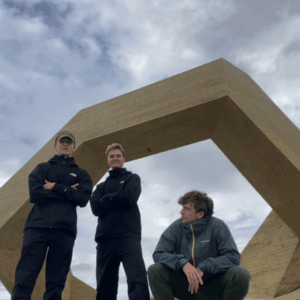
Crossing borders to help people living with dementia
On 3rd November 2025, a dedicated team from Bath University took on an incredible international challenge; a 100km cross-border walk from France to the Netherlands, raising vital funds for ReMind UK.

ReMind UK research volunteer helps dementia research hit milestone
Alexander Mccreadie, a 75-year old resident of Bath, became the landmark participant for the Blood Biomarker Challenge, after attending Remind UK.