


An article published by Bath Chronicle highlighted how a nationwide study exploring whether simple blood tests could transform dementia diagnosis across the NHS, has reached a major milestone, enrolling its 500th volunteer.
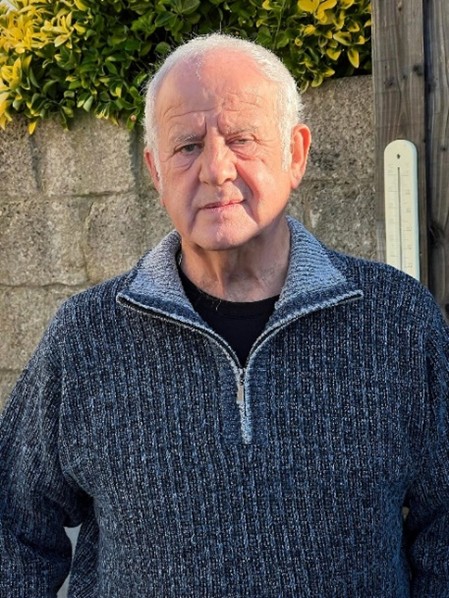
The landmark participant, 75 year old Alexander McCreadie from Bath, was referred to Remind UK’s NHS memory clinic after he and his wife noticed increasing forgetfulness in 2024. At the clinic, he was diagnosed with mild cognitive impairment (MCI).
Originally from Scotland, Alexander served 25 years in the Army before a long career in health and safety within the mobile crane industry. Now retired, he stays active through bowling and spending time with his five children, 11 grandchildren, and three great-grandchildren.
Alexander was eager to join the Blood Biomarker Challenge and said:
If sharing my experience helps people better understand memory problems and breaks down some of the stigma around a dementia diagnosis, then that can only be a good thing. Fear, shame, and misunderstanding often stop people from speaking openly or seeking help."
Alexander McCreadie
He added that he hoped his participation would encourage further research, which he described as vital for improving diagnosis and developing better treatments.
The READ-OUT (Real World Dementia Outcomes) study is part of the Blood Biomarker Challenge.
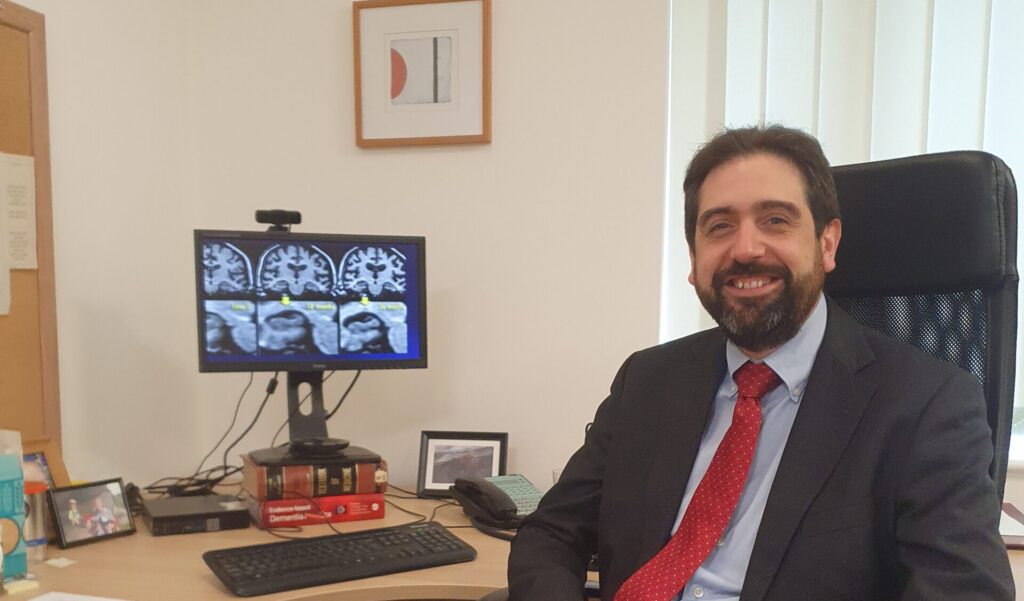
Dr Tomas Welsh, Research and Medical Director at Remind UK, said reaching the 500th participant was a significant milestone:
"We’re delighted that Remind UK in Bath was home to this moment. We’re enormously grateful to Alexander, and to everyone who has taken part, for helping us build the evidence needed to enhance dementia diagnosis across the NHS."
Dr Tomas Welsh
Participants in the READ-OUT study provide a blood sample alongside information about their cognitive health. Researchers are assessing how reliably various blood tests can detect Alzheimer’s disease, vascular dementia, frontotemporal dementia, and dementia with Lewy bodies. The study also examines whether these tests work across diverse populations, including older age groups and people with health conditions such as kidney disease.
People who are worried about their memory can be referred by a health care professional such as their GP, to ReMind UK’s NHS Memory Clinic or you can make an appointment at ReMind UK’s Private memory clinic.
More news & views

Andy Burnham’s personal story highlights the importance of dementia research
The conversation around dementia research has been brought into focus following Prime Minister Andy Burnham’s recent comments about his father’s experience with Alzheimer’s disease. Speaking about the impact of dementia on his family, Burnham described the condition as “cruel” and reflected on the challenges faced by families living with the realities of cognitive decline.
How a clinical trial helped Paul find hope again
At just 56, Paul Norman from Whitchurch in Bristol began experiencing worrying changes in his memory and cognitive processing. Everyday tasks that had once been second nature became difficult. He struggled to manage aspects of his work and home life, and even his familiar commuting routes across Bristol started to feel completely unfamiliar. Paul shares his story of how volunteering for a clinical trial restored hope for his future.

Lifelong learning and brain health: Building your cognitive reserve
Education, intellectually stimulating occupations, and mentally challenging activities throughout life are thought to contribute to cognitive reserve. Continuous learning, problem solving and being mentally active can take many forms. A perfect example of participating in a mentally challenging activity would be to learn a new musical instrument, which incorporates multiple cognitive skills.