
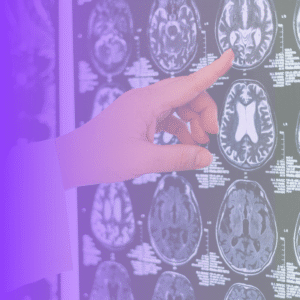
The Brain Health Clinic at ReMind UK aims to empower people with the knowledge and tools to improve their brain health, helping to reduce or delay their risk of developing dementia.

One of the key topics we discuss is the importance of staying mentally active throughout life, particularly during mid-life. Research suggests that regularly challenging your brain may help to build your cognitive reserve, which could reduce or delay the impact of dementia.

What is cognitive reserve?

Cognitive reserve refers to the brain’s ability to adapt and compensate for age-related changes or disease-related damage. People with a greater cognitive reserve may be able to maintain normal thinking and everyday functioning for longer, even when changes are occurring in the brain.

While cognitive reserve cannot prevent dementia, it may help the brain cope more effectively with its effects.

What helps to build cognitive reserve?

Evidence suggests that education, intellectually stimulating work, and mentally challenging activities throughout life all contribute to building cognitive reserve. Continuous learning, problem-solving, and trying new things can all help keep your brain engaged.

Learning to play a musical instrument is often used as an example because it combines multiple cognitive skills, including memory, attention, coordination and learning. However, it’s not the right activity for everyone. Some people may not enjoy music, while others may not have the time or resources to commit to regular lessons.

The good news is that there isn’t one “best” activity. The most important thing is to choose something that you genuinely enjoy and that challenges your thinking. When you enjoy an activity, you’re much more likely to stick with it over time.

Think of it like exercise. Someone who forces themselves to go to the gym despite disliking it may lose motivation after a few months. Choosing an activity that fits your interests and lifestyle makes it far more likely that you’ll continue doing it.

Your choice may also depend on how mentally stimulating your job already is, as well as the amount of time and money you can realistically dedicate to new activities. Everyone’s circumstances are different, so finding something that works for you is what matters most.

While cognitive reserve cannot prevent dementia, it may help the brain cope more effectively with its effects."

Brain Health_Cognitive Reserve_Learning an Instrument

It is important to recognise that currently there is no clear recommendation of a particular cognitive programme to follow. Instead, the advice is simply to keep your brain active in ways that are meaningful and enjoyable to you. This advice allows individuals an opportunity to focus on what they find interesting, which will hopefully result in challenging your cognitive function throughout life and working towards a strong cognitive reserve.

Whether it’s taking up photography, joining a book club, completing puzzles, studying local history, or developing a new hobby, the aim is to continue challenging your brain throughout life.

Combine brain health with general wellbeing

When choosing a mentally stimulating activity, it’s also worth considering whether it can support other areas of your wellbeing.

For example, attending a language class not only challenges your memory and problem-solving skills but also provides opportunities to meet new people. This encourages active listening, communication and social interaction, all of which are important for overall wellbeing.

Activities that combine mental stimulation with social connection may offer even greater benefits by helping to reduce social isolation and lowering the risk of depression.

In summary

Keeping your brain active throughout life is one of the positive steps you can take to support your brain health. By building cognitive reserve through enjoyable and mentally challenging activities, you may help your brain remain more resilient and better able to cope with age-related changes or disease.

There is no single activity that works for everyone. The best approach is to find something that you enjoy, that challenges your mind, and that you can continue doing over the long term. Small, consistent habits built around lifelong learning can make a meaningful contribution to brain health.

More news & views

READ-OUT study’s 1000th participant recruited at ReMind UK

Bob became the 1,000th volunteer to join the READ-OUT trial, an important milestone that shows the difference people can make by taking part in clinical research. After being diagnosed with mild cognitive impairment (MCI), he chose to take part in the READ-OUT trial, a major national dementia research study exploring whether blood tests could help diagnose dementia earlier and more accurately. Bob said that if his experience could help others facing the same uncertainty, it was worth it.

Read More »

Jon Snow’s story highlights the importance of talking about Alzheimer’s

Broadcaster Jon Snow has spoken publicly about living with Alzheimer’s disease, sharing his diagnosis in the hope of raising awareness and reducing stigma around dementia. Jon Snow’s experience of living with Alzheimer’s will be explored in a powerful new documentary, Jon Snow: A Last Big Story, produced by Basement Films and airing on Channel 4 on Saturday, 20 June 2026

Read More »
Skip to content