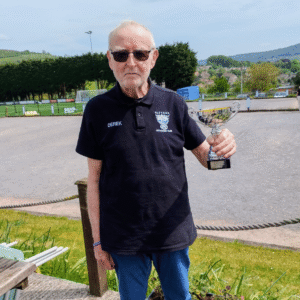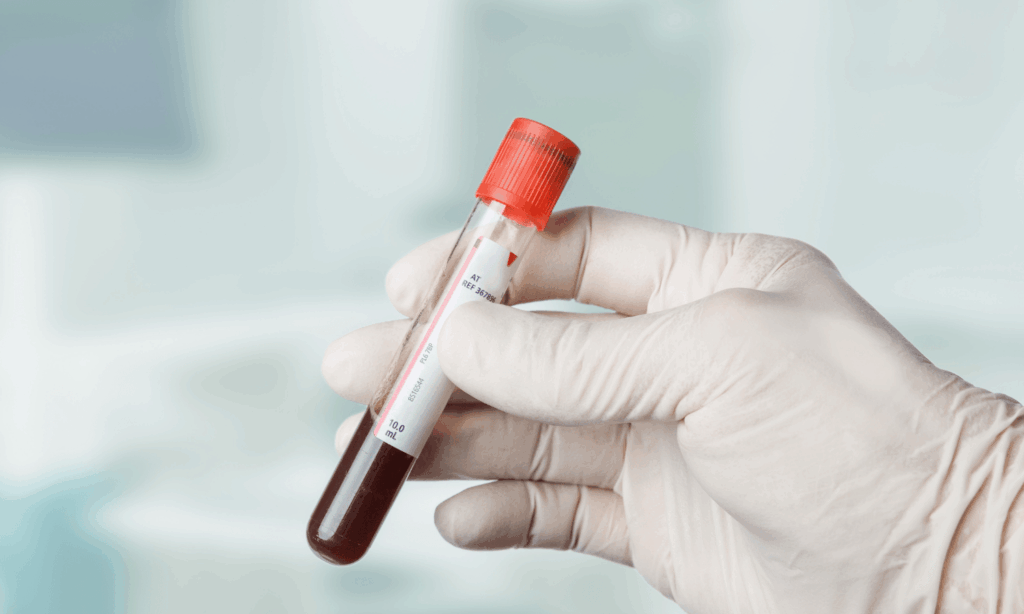
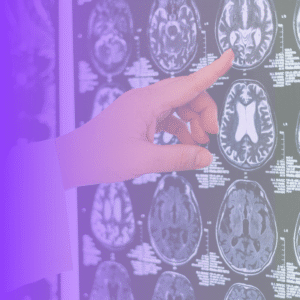
Bob became the 1,000th volunteer to join the READ-OUT trial, having attended ReMind UK with concerns about his memory. After being diagnosed with mild cognitive impairment (MCI), he chose to take part in the READ-OUT trial, a major national dementia research study exploring whether blood tests could help diagnose dementia earlier and more accurately. This important milestone shows the difference people can make by taking part in clinical research. The study is undertaking broad, nationwide blood sampling at 33 sites across the UK, including here at ReMind UK, to understand which biomarkers perform the best in diagnosing Alzheimer’s and non-Alzheimer’s dementias.

Reaching 1,000 participants is a fantastic achievement and reflects the generosity of people like Bob, who are willing to take part in research that could transform dementia diagnosis for future generations. Clinical trials are only possible because of our volunteers, and every participant brings us one step closer to earlier diagnosis, better treatments and improved outcomes for people affected by dementia."

Bob hopes that by sharing his story, more people will feel confident seeking help for memory concerns and consider taking part in research. Bob highlights, “What’s the point in sitting back and doing nothing? Research is vital to improving diagnosis, treatment and future care for people with Alzheimer’s disease, and I’m keen to help in any way I can.”

Memory Services at ReMind UK

At ReMind UK, we are proud to provide NHS memory services while leading pioneering dementia research that has the potential to change lives. Every clinical trial depends on people like Bob who are prepared to take part, but it also depends on charitable support to make that research possible.

Research Institute for Brain Health

ReMind UK aims to enable anyone wanting to take part in dementia research to enter a project which works for them. We are one of the few centres in the country with the level of expertise and required facilities to lead phase one and phase two novel treatment studies. Our staff are highly trained to care for older people and have the skills and experience needed to safely and efficiently manage treatment procedures, and over-night stays, putting those with a diagnosis first and in the best hands.

You can help dementia research

Register your interest to take part in a study or clinical trial

More news & views

How a clinical trial helped Paul find hope again

At just 56, Paul Norman from Whitchurch in Bristol began experiencing worrying changes in his memory and cognitive processing. Everyday tasks that had once been second nature became difficult. He struggled to manage aspects of his work and home life, and even his familiar commuting routes across Bristol started to feel completely unfamiliar. Paul shares his story of how volunteering for a clinical trial restored hope for his future.

Read More »
Brain Health_Cognitive Reserve_Learning an Instrument

Lifelong learning and brain health: Building your cognitive reserve

Education, intellectually stimulating occupations, and mentally challenging activities throughout life are thought to contribute to cognitive reserve. Continuous learning, problem solving and being mentally active can take many forms. A perfect example of participating in a mentally challenging activity would be to learn a new musical instrument, which incorporates multiple cognitive skills.

Read More »

Jon Snow’s story highlights the importance of talking about Alzheimer’s

Broadcaster Jon Snow has spoken publicly about living with Alzheimer’s disease, sharing his diagnosis in the hope of raising awareness and reducing stigma around dementia. Jon Snow’s experience of living with Alzheimer’s will be explored in a powerful new documentary, Jon Snow: A Last Big Story, produced by Basement Films and airing on Channel 4 on Saturday, 20 June 2026

Read More »
Skip to content