
An article published by Bath Chronicle highlighted how a nationwide study exploring whether simple blood tests could transform dementia diagnosis across the NHS, has reached a major milestone, enrolling its 500th volunteer.
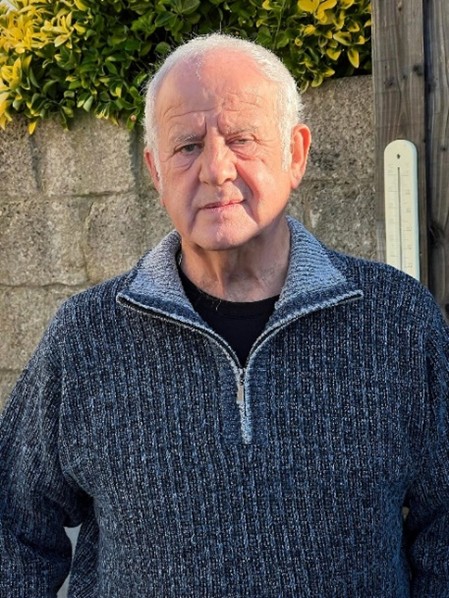
The landmark participant, 75 year old Alexander McCreadie from Bath, was referred to Remind UK’s NHS memory clinic after he and his wife noticed increasing forgetfulness in 2024. At the clinic, he was diagnosed with mild cognitive impairment (MCI).
Originally from Scotland, Alexander served 25 years in the Army before a long career in health and safety within the mobile crane industry. Now retired, he stays active through bowling and spending time with his five children, 11 grandchildren, and three great-grandchildren.
Alexander was eager to join the Blood Biomarker Challenge and said:
If sharing my experience helps people better understand memory problems and breaks down some of the stigma around a dementia diagnosis, then that can only be a good thing. Fear, shame, and misunderstanding often stop people from speaking openly or seeking help."
Alexander McCreadie
He added that he hoped his participation would encourage further research, which he described as vital for improving diagnosis and developing better treatments.
The READ-OUT (Real World Dementia Outcomes) study is part of the Blood Biomarker Challenge.
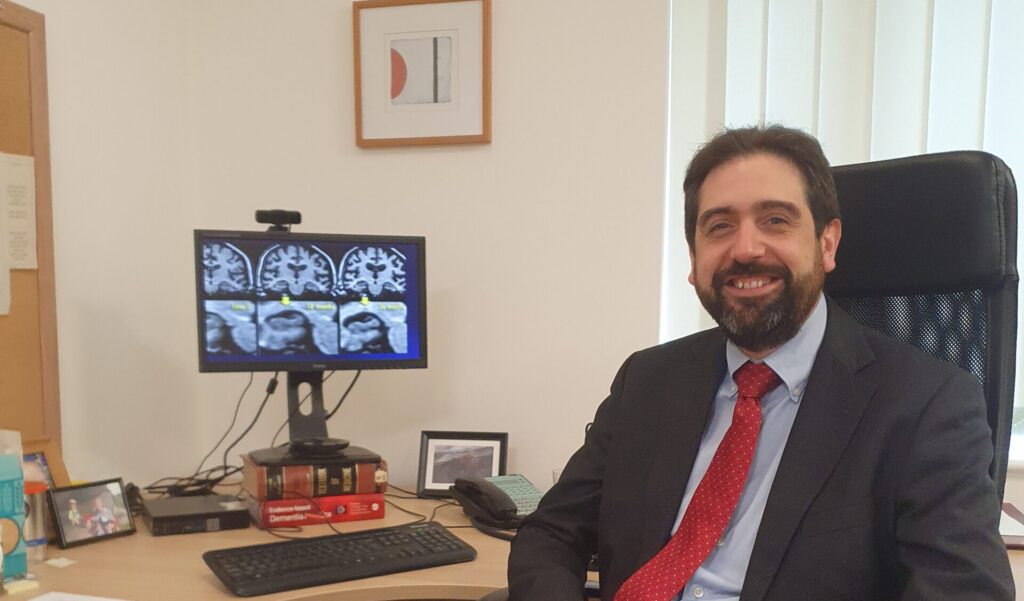
Dr Tomas Welsh, Research and Medical Director at Remind UK, said reaching the 500th participant was a significant milestone:
"We’re delighted that Remind UK in Bath was home to this moment. We’re enormously grateful to Alexander, and to everyone who has taken part, for helping us build the evidence needed to enhance dementia diagnosis across the NHS."
Dr Tomas Welsh
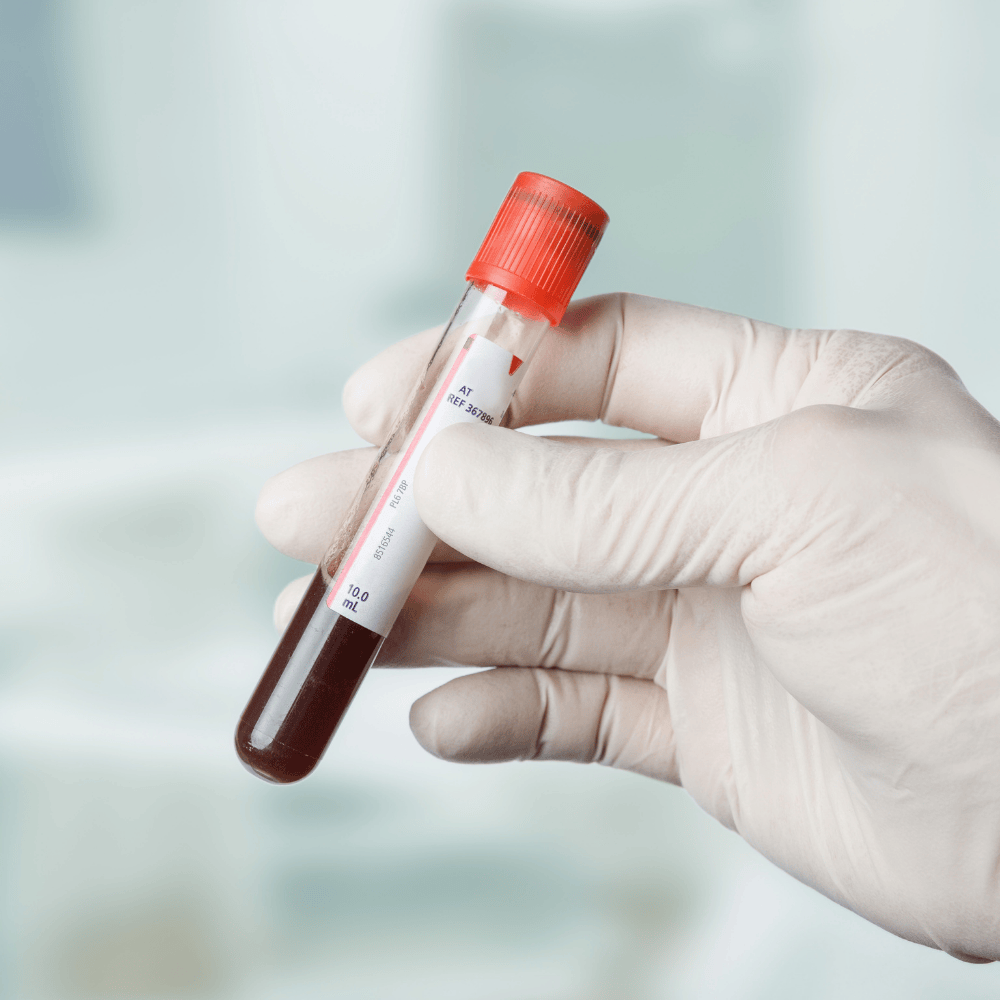
Participants in the READ-OUT study provide a blood sample alongside information about their cognitive health. Researchers are assessing how reliably various blood tests can detect Alzheimer’s disease, vascular dementia, frontotemporal dementia, and dementia with Lewy bodies. The study also examines whether these tests work across diverse populations, including older age groups and people with health conditions such as kidney disease.
People who are worried about their memory can be referred by a health care professional such as their GP, to ReMind UK’s NHS Memory Clinic or you can make an appointment at ReMind UK’s Private memory clinic.
More news & views

Running for mum: Sue takes on the Bath Half for ReMind UK
This weekend, Sue Mercer will take on the Bath Half Marathon, running 13.1 miles through the city to raise funds for ReMind UK. Sue is no stranger to the Bath Half. Last year she helped coach runners who were raising money for ReMind UK, organising training runs and supporting them along the way.

Cholesterol and brain health: Why it matters for dementia risk
March heralds the start of Spring, longer hours of daylight, new growth and new life. Like nature, we may feel ready to emerge from our hibernation to embrace new personal growth, looking at how we can improve our health. This month as part of our focus on brain health we look at the importance of being aware of the relationship between low density lipoprotein (LDL) cholesterol levels in mid life and dementia risk.

You’re not alone: How ReMind UK’s Wellbeing Programmes make a difference
Healthcare research and evaluations highlight that peer networks give people something that clinical services alone often don’t provide: connection, understanding, and shared experience. Diagnosis should be the beginning of support, not the end of it, and that’s exactly why ReMind UK’s Post-Diagnosis Support Programme exists.