ReMind UK Latest News & Views

Welcome to ReMind UK News & Views, a space where trusted expertise meets real life. Here, you’ll find clinically informed insights and evidence based guidance on brain health and dementia, alongside personal stories that reflect the lived experiences of people and families we support.

Our articles are shaped by the latest research, emerging scientific developments, and best practice approaches to diagnosis, risk reduction, and post-diagnosis support. Alongside this research led content, we share lived-experience perspectives from individuals and families supported by ReMind UK, offering meaningful insight into how our work, from clinical trials to ongoing post-diagnosis care, makes a difference in everyday life.

Whether you are a healthcare professional, a carer, someone with concerns about memory or cognitive health, or simply looking to learn more about dementia, we hope these articles inform, reassure, and support you, helping you make confident, informed decisions and improve wellbeing at every stage.

Move for your mind: Physical activity reduces your risk of dementia

Exercise reduces risk of dementia
As we welcome 2026, it’s the perfect time to think about small changes that can make a big difference to our long-term health. One of the most powerful ways to protect your brain and reduce your risk of dementia is also one of the simplest: moving more. This month, we’re taking a closer look at how physical activity supports brain health and why even small increases in your daily movement can have a meaningful impact.

Why the Bath Half is the perfect challenge to fundraise for ReMind UK

The Bath Half Marathon could be the perfect way to challenge yourself and make a meaningful difference for people affected by dementia.

Transforming dementia diagnosis through blood test research

READ OUT blood biomarker research volunteer
A recent BBC News article highlights a groundbreaking trial exploring how new and existing blood tests could transform the way dementia is diagnosed in the UK.

Dementia wellbeing programmes helping to transform lives

ReMind UK Chat Make and Move Programme
A new 2026 post diagnosis support programme is available from ReMind UK offering practical support, social connection and expert guidance.

James Funnell

James Funnell
Volunteer story

Sarah Longbottom

Sarah
Volunteer story

Lucy Docherty

Volunteer case study

Angela Adkins

Fundraiser volunteer case study

Olivia Holden

Marathon Running Fundraiser case study

What is the future of dementia research?

Alzheimer's disease research
In July, London hosted the Alzheimer’s Association International Conference (AAIC), an annual conference dedicated to advancing dementia science and clinical practice.

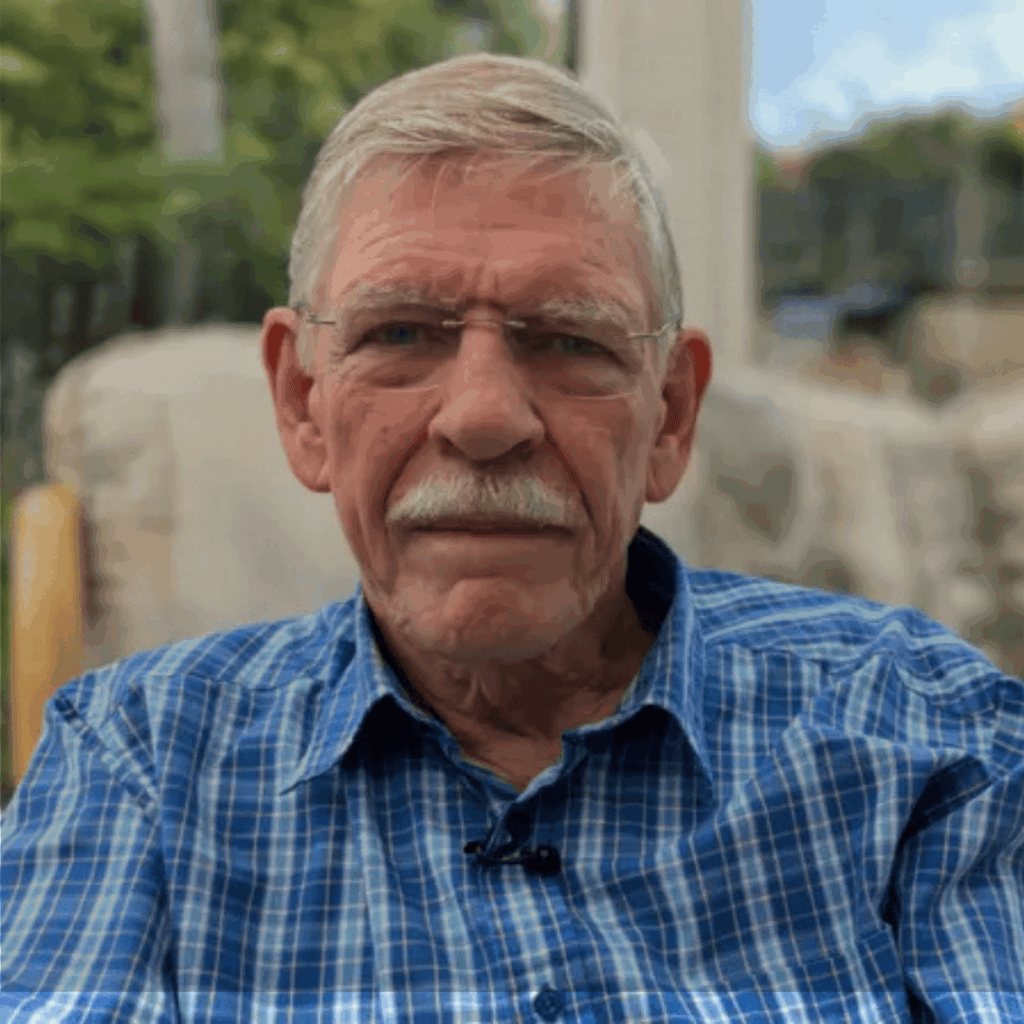
Living with Alzheimer’s – Derek McCaig’s story

An Alzheimer’s diagnosis can bring uncertainty. What will life look like now? For Derek McCaig and his wife Sue, adapting to Alzheimer’s has meant making some changes but it has also meant continuing to stay active, social and involved in the things they enjoy.

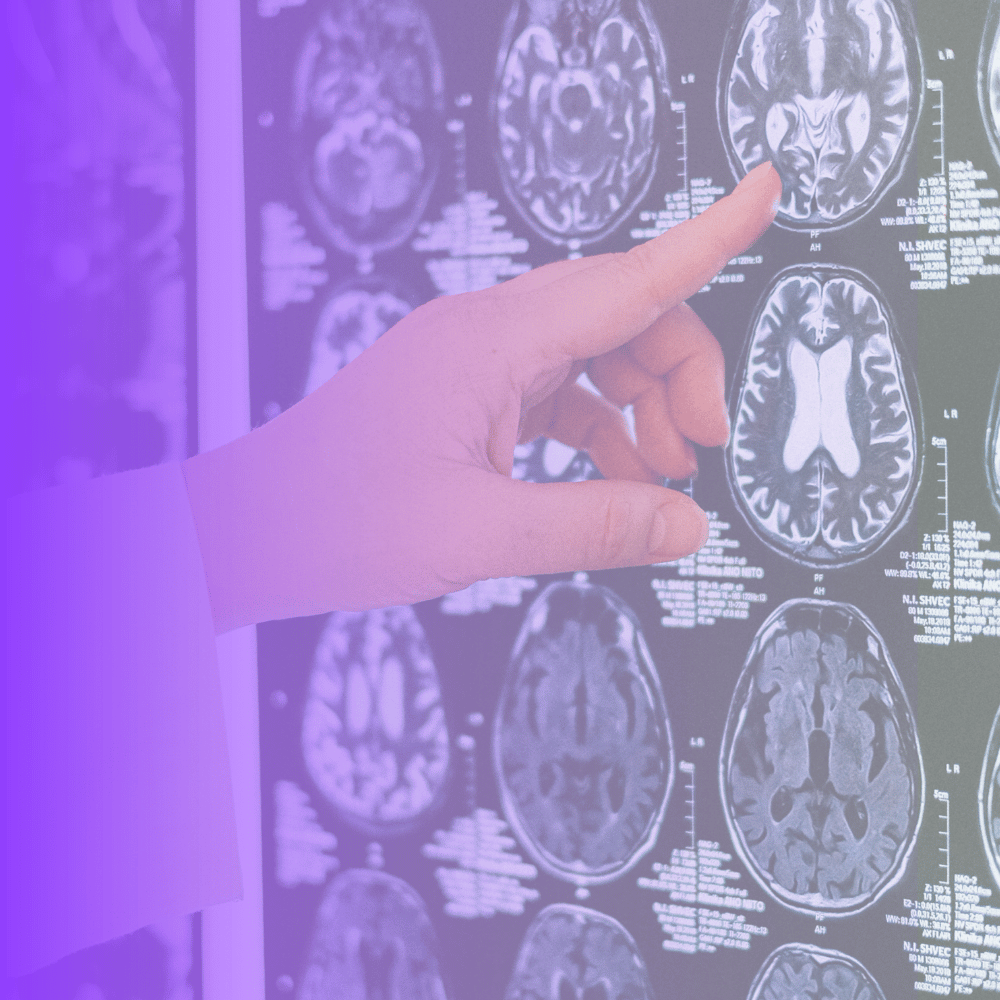
What is Alzheimer’s disease

What is Alzheimers Disease
Alzheimer’s disease is the most common cause of dementia, affecting memory, thinking, behaviour, and the ability to carry out everyday activities. It is a progressive disease of the brain, which means symptoms gradually worsen over time. Understanding Alzheimer’s can help reduce fear and stigma, and encourage people to seek advice early if they notice changes in themselves or someone they care about

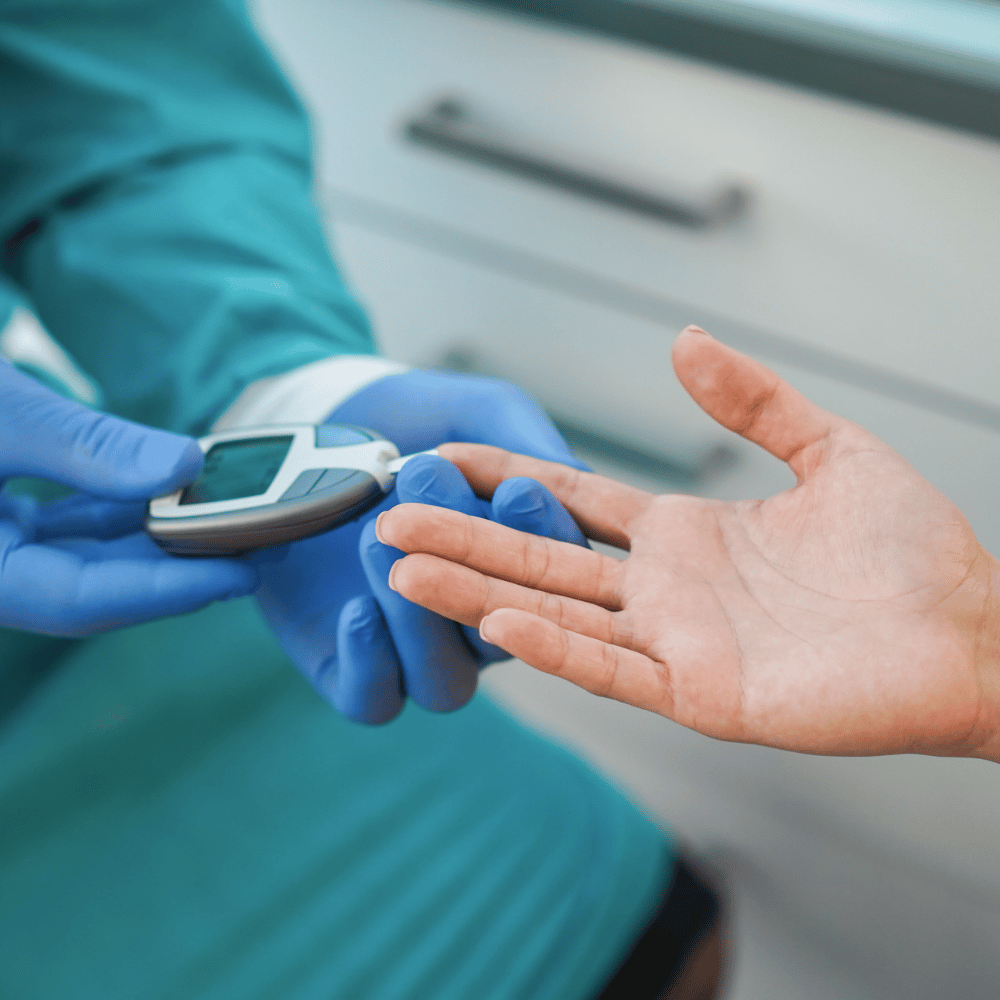
How type 2 diabetes affects brain health and dementia risk

Lancet report Diabetes and Dementia
This months Brain Health blog focuses on the link between type 2 diabetes and dementia. At ReMind UK we are passionate about supporting individuals to maximise their brain health, aiming to reduce or delay their risk of developing dementia.

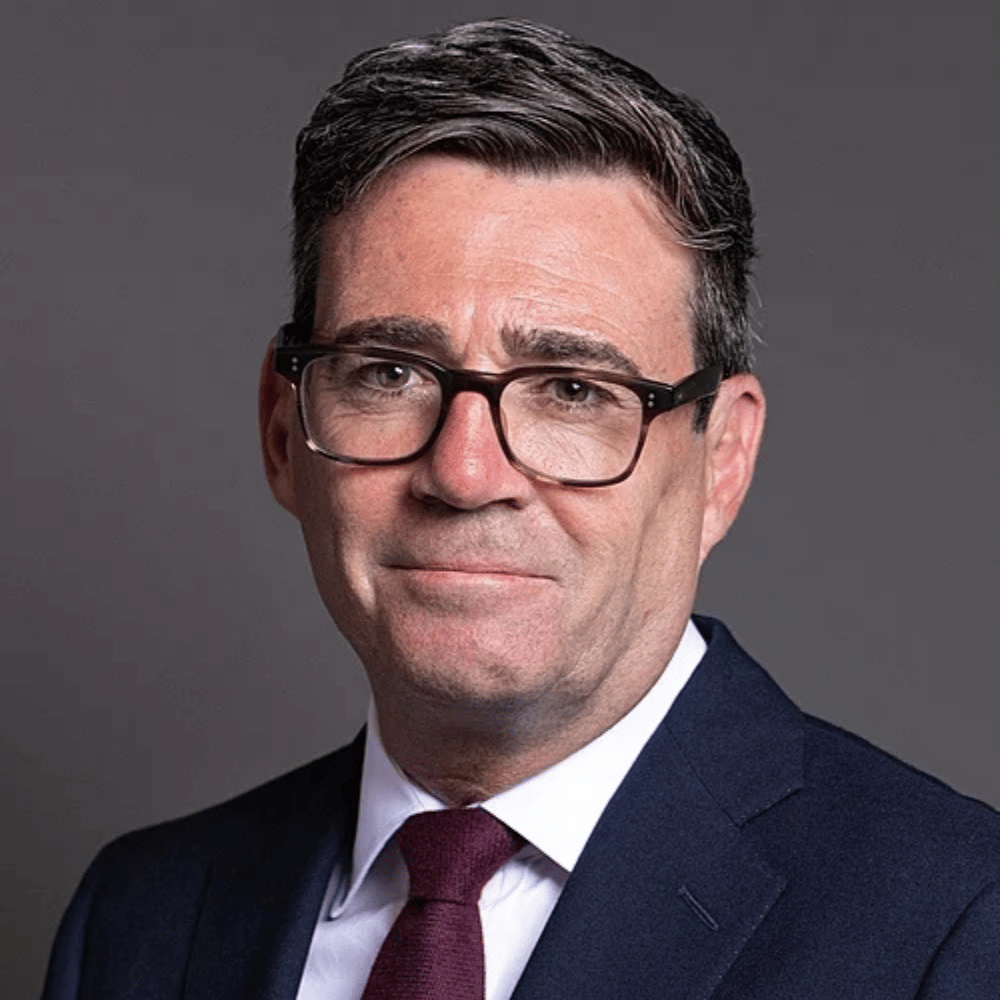
Andy Burnham’s personal story highlights the importance of dementia research

Andy Burnham speaks of fathers alzheimers disease
The conversation around dementia research has been brought into focus following Prime Minister Andy Burnham’s recent comments about his father’s experience with Alzheimer’s disease. Speaking about the impact of dementia on his family, Burnham described the condition as “cruel” and reflected on the challenges faced by families living with the realities of cognitive decline.

How a clinical trial helped Paul find hope again

At just 56, Paul Norman from Whitchurch in Bristol began experiencing worrying changes in his memory and cognitive processing. Everyday tasks that had once been second nature became difficult. He struggled to manage aspects of his work and home life, and even his familiar commuting routes across Bristol started to feel completely unfamiliar. Paul shares his story of how volunteering for a clinical trial restored hope for his future.

Lifelong learning and brain health: Building your cognitive reserve

Brain Health_Cognitive Reserve_Learning an Instrument
Education, intellectually stimulating occupations, and mentally challenging activities throughout life are thought to contribute to cognitive reserve. Continuous learning, problem solving and being mentally active can take many forms. A perfect example of participating in a mentally challenging activity would be to learn a new musical instrument, which incorporates multiple cognitive skills.

READ-OUT study’s 1000th participant recruited at ReMind UK

Bob became the 1,000th volunteer to join the READ-OUT trial, an important milestone that shows the difference people can make by taking part in clinical research. After being diagnosed with mild cognitive impairment (MCI), he chose to take part in the READ-OUT trial, a major national dementia research study exploring whether blood tests could help diagnose dementia earlier and more accurately. Bob said that if his experience could help others facing the same uncertainty, it was worth it.

Jon Snow’s story highlights the importance of talking about Alzheimer’s

Broadcaster Jon Snow has spoken publicly about living with Alzheimer’s disease, sharing his diagnosis in the hope of raising awareness and reducing stigma around dementia. Jon Snow’s experience of living with Alzheimer’s will be explored in a powerful new documentary, Jon Snow: A Last Big Story, produced by Basement Films and airing on Channel 4 on Saturday, 20 June 2026

What is the future of dementia research?

Alzheimer's disease research
In July, London hosted the Alzheimer’s Association International Conference (AAIC), an annual conference dedicated to advancing dementia science and clinical practice.

How a clinical trial helped Paul find hope again

At just 56, Paul Norman from Whitchurch in Bristol began experiencing worrying changes in his memory and cognitive processing. Everyday tasks that had once been second nature became difficult. He struggled to manage aspects of his work and home life, and even his familiar commuting routes across Bristol started to feel completely unfamiliar. Paul shares his story of how volunteering for a clinical trial restored hope for his future.

READ-OUT study’s 1000th participant recruited at ReMind UK

Bob became the 1,000th volunteer to join the READ-OUT trial, an important milestone that shows the difference people can make by taking part in clinical research. After being diagnosed with mild cognitive impairment (MCI), he chose to take part in the READ-OUT trial, a major national dementia research study exploring whether blood tests could help diagnose dementia earlier and more accurately. Bob said that if his experience could help others facing the same uncertainty, it was worth it.

Why the conversation around anti-amyloid therapies matters

Recent headlines have reignited debate around anti-amyloid therapies for Alzheimer’s disease, following commentary around a review questioning whether these treatments provide meaningful benefit for people living with dementia. ReMind UK's Research & Medical Director, Dr Tomas Welsh, responds to the debate.

How dementia research is making a real difference for carers: John’s story

When John Desmond’s wife, Linda, was diagnosed with semantic dementia in 2021 at the age of 67, it marked the beginning of a new chapter for them both. Semantic dementia, a form of frontotemporal dementia, affects a person’s ability to use and understand words.

Transforming dementia diagnosis through blood test research

READ OUT blood biomarker research volunteer
A recent BBC News article highlights a groundbreaking trial exploring how new and existing blood tests could transform the way dementia is diagnosed in the UK.
Skip to content