ReMind UK Latest News & Views

Welcome to ReMind UK News & Views, a space where trusted expertise meets real life. Here, you’ll find clinically informed insights and evidence based guidance on brain health and dementia, alongside personal stories that reflect the lived experiences of people and families we support.

Our articles are shaped by the latest research, emerging scientific developments, and best practice approaches to diagnosis, risk reduction, and post-diagnosis support. Alongside this research led content, we share lived-experience perspectives from individuals and families supported by ReMind UK, offering meaningful insight into how our work, from clinical trials to ongoing post-diagnosis care, makes a difference in everyday life.

Whether you are a healthcare professional, a carer, someone with concerns about memory or cognitive health, or simply looking to learn more about dementia, we hope these articles inform, reassure, and support you, helping you make confident, informed decisions and improve wellbeing at every stage.


Roger Wood

Dementia research volunteer case study

Tony Evans

Tony
Living at home for longer

Volunteers at the heart of ReMind UK: celebrating volunteers’ week

Volunteers Week 2026 ReMind UK
Volunteering is about more than giving time, it’s about creating connections, spreading kindness and helping build a stronger, more supportive community. Thanks to our volunteers, we are able to continue providing vital services and support to those who need it most.

How vision loss may contribute to dementia

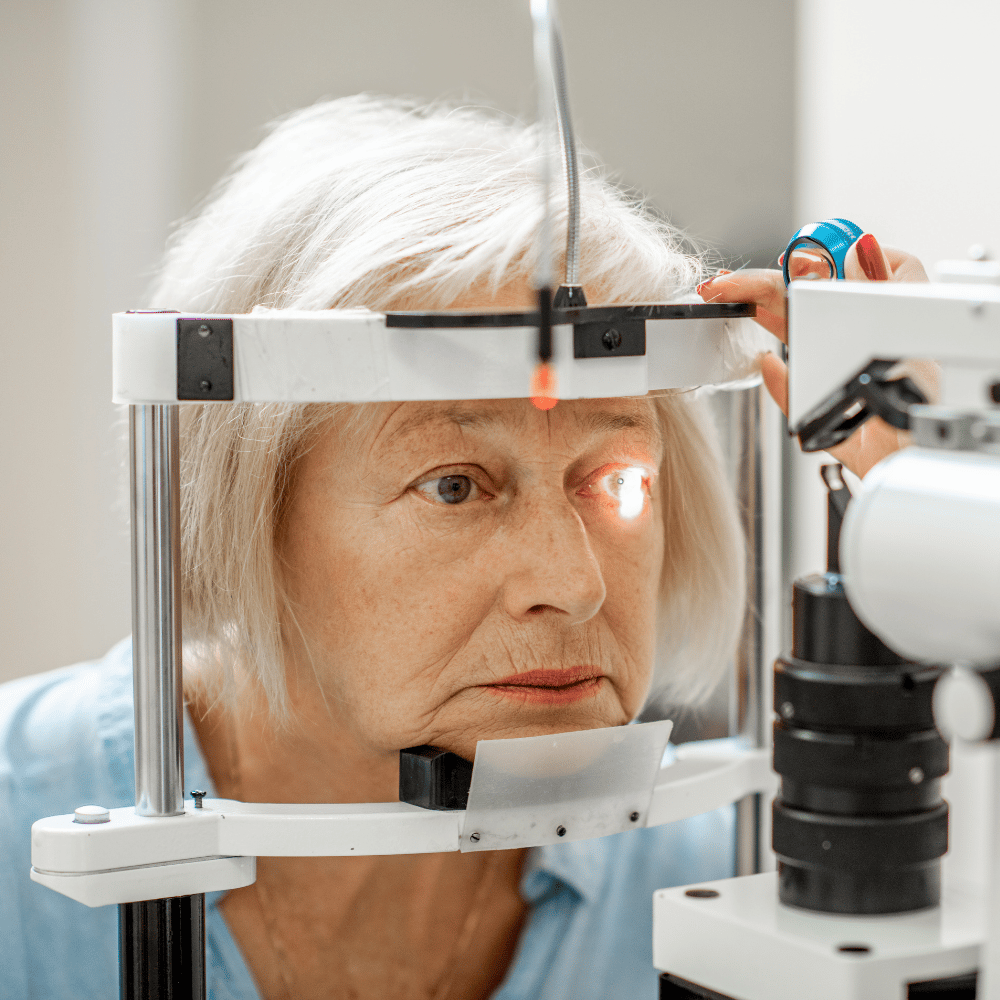
When was the last time you attended for an eye test? Was it due to having symptoms you were concerned about, or for a routine check-up? Would your attendance for eye checks alter if you knew that untreated vision loss is now thought to be a potentially modifiable risk factor for dementia? This month we explore untreated vision loss as a potentially modifiable risk factor for dementia.

Why early diagnosis of dementia matters more than ever

Many people delay seeking help when memory problems begin. They may think it is stress, ageing, or “just one of those things.” Families often notice changes too, but hesitate to raise concerns. Yet when it comes to dementia, early diagnosis can make a life-changing difference. It can provide answers, access to treatment, support for families, and the opportunity to plan for the future with confidence. During Dementia Action Week and beyond, one message remains clear - don’t ignore the signs.

What is dementia: understanding the signs, types and support available

Dementia is a condition many people are familiar with by name, yet its reality is often misunderstood. Too often, it is seen simply as part of growing older, when in fact it is a complex and progressive condition that affects memory, thinking, communication, and the ability to manage everyday life. In the UK, nearly 1 million people are living with dementia, and that number is expected to rise significantly in the coming years. Understanding dementia is the first step toward creating better awareness, earlier diagnosis, and stronger support for those affected.

Why the conversation around anti-amyloid therapies matters

Recent headlines have reignited debate around anti-amyloid therapies for Alzheimer’s disease, following commentary around a review questioning whether these treatments provide meaningful benefit for people living with dementia. ReMind UK's Research & Medical Director, Dr Tomas Welsh, responds to the debate.

Supporting communication in dementia: building connection, confidence, and care

Effective communication is at the heart of quality dementia care. The Supporting Communication in Dementia workshop at Dorothy House offers a valuable opportunity for people living with mild to moderate dementia and their communication partners to strengthen understanding, connection, and emotional wellbeing.

Depression and dementia risk: What the latest research shows

Depression and Dementia what is the risk
Depression and dementia are more closely linked than once thought. The Lancet 2024 report identifies depression in midlife as a potentially modifiable risk factor for dementia. While the exact link is unclear, changes in lifestyle, social engagement, and stress-related brain effects may play a role.

ReMind UK research volunteer helps dementia research hit milestone

Alex­an­der Mccreadie, a 75-year old res­id­ent of Bath, became the land­mark par­ti­cipant for the Blood Biomarker Challenge, after attend­ing Remind UK.

Why the Bath Half is the perfect challenge to fundraise for ReMind UK

The Bath Half Marathon could be the perfect way to challenge yourself and make a meaningful difference for people affected by dementia.

How type 2 diabetes affects brain health and dementia risk

Lancet report Diabetes and Dementia
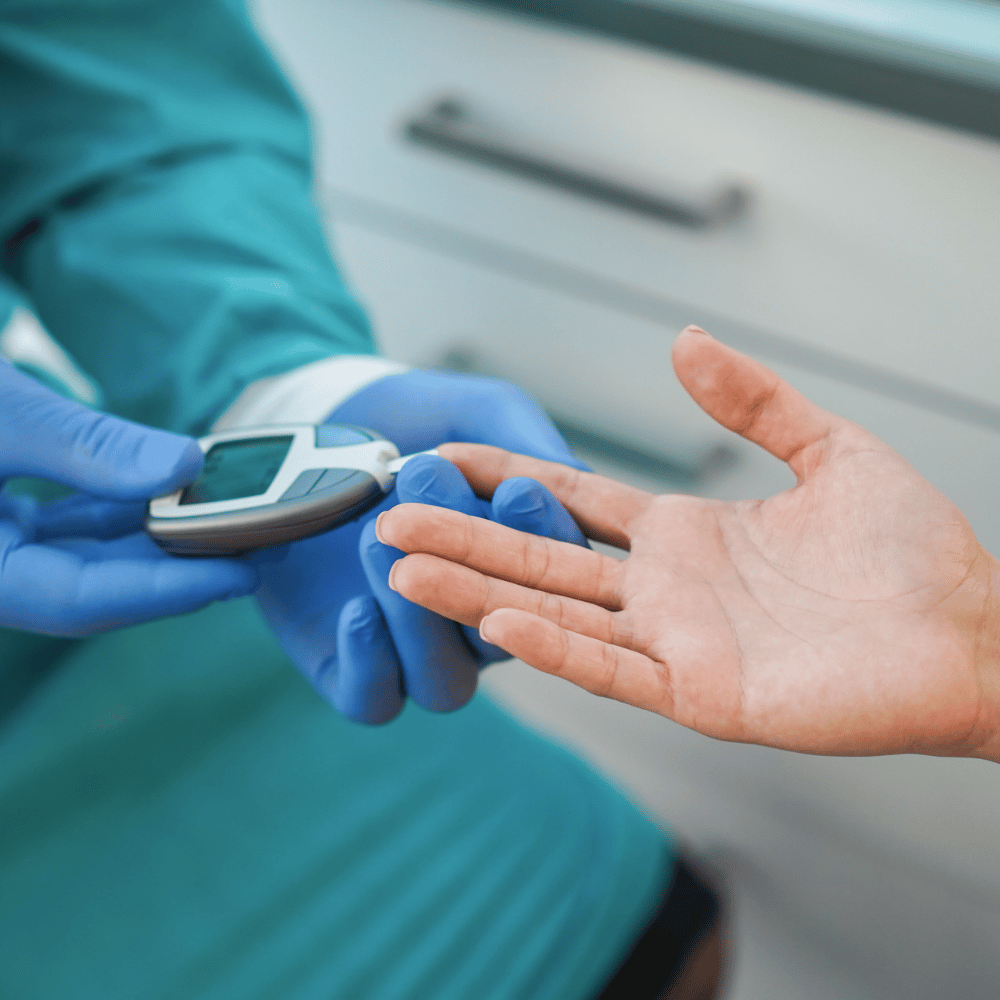
This months Brain Health blog focuses on the link between type 2 diabetes and dementia. At ReMind UK we are passionate about supporting individuals to maximise their brain health, aiming to reduce or delay their risk of developing dementia.

Lifelong learning and brain health: Building your cognitive reserve

Brain Health_Cognitive Reserve_Learning an Instrument
Education, intellectually stimulating occupations, and mentally challenging activities throughout life are thought to contribute to cognitive reserve. Continuous learning, problem solving and being mentally active can take many forms. A perfect example of participating in a mentally challenging activity would be to learn a new musical instrument, which incorporates multiple cognitive skills.

How vision loss may contribute to dementia

When was the last time you attended for an eye test? Was it due to having symptoms you were concerned about, or for a routine check-up? Would your attendance for eye checks alter if you knew that untreated vision loss is now thought to be a potentially modifiable risk factor for dementia? This month we explore untreated vision loss as a potentially modifiable risk factor for dementia.

Depression and dementia risk: What the latest research shows

Depression and Dementia what is the risk
Depression and dementia are more closely linked than once thought. The Lancet 2024 report identifies depression in midlife as a potentially modifiable risk factor for dementia. While the exact link is unclear, changes in lifestyle, social engagement, and stress-related brain effects may play a role.

Cholesterol and brain health: Why it matters for dementia risk

March heralds the start of Spring, longer hours of daylight, new growth and new life. Like nature, we may feel ready to emerge from our hibernation to embrace new personal growth, looking at how we can improve our health. This month as part of our focus on brain health we look at the importance of being aware of the relationship between low density lipoprotein (LDL) cholesterol levels in mid life and dementia risk.

Why I took a brain health assessment: Ian Waller’s story

When Ian Waller visited ReMind UK’s Brain Health Clinic, his motivation was deeply personal. With both his mother and grandmother affected by dementia, Ian wanted to better understand his own risk and, importantly, what he could do about it.

Hearing loss and brain health – what the latest research shows

Many people are already aware that being physically inactive increases your risk of developing dementia, but did you know that there is an association between hearing loss and the risk of developing dementia?

Facing dementia: Anna Mountford’s brain health journey

Anna Mountford, aged 50, from Bradford-on-Avon, shares her family’s experiences of dementia and how it has changed her approach to her own brain health in midlife.

Embracing brain health after retirement: Sarah Mentiply’s story

Sarah Mentiply, aged 69 from Bath, took part in a Brain Health Clinic pilot organised between Remind UK and St John’s Foundation. Here she shares her experience of the brain health clinic and the changes she has made to her health and wellbeing since her retirement.

What is the future of dementia research?

Alzheimer's disease research
In July, London hosted the Alzheimer’s Association International Conference (AAIC), an annual conference dedicated to advancing dementia science and clinical practice.

How a clinical trial helped Paul find hope again

At just 56, Paul Norman from Whitchurch in Bristol began experiencing worrying changes in his memory and cognitive processing. Everyday tasks that had once been second nature became difficult. He struggled to manage aspects of his work and home life, and even his familiar commuting routes across Bristol started to feel completely unfamiliar. Paul shares his story of how volunteering for a clinical trial restored hope for his future.

READ-OUT study’s 1000th participant recruited at ReMind UK

Bob became the 1,000th volunteer to join the READ-OUT trial, an important milestone that shows the difference people can make by taking part in clinical research. After being diagnosed with mild cognitive impairment (MCI), he chose to take part in the READ-OUT trial, a major national dementia research study exploring whether blood tests could help diagnose dementia earlier and more accurately. Bob said that if his experience could help others facing the same uncertainty, it was worth it.

Why the conversation around anti-amyloid therapies matters

Recent headlines have reignited debate around anti-amyloid therapies for Alzheimer’s disease, following commentary around a review questioning whether these treatments provide meaningful benefit for people living with dementia. ReMind UK's Research & Medical Director, Dr Tomas Welsh, responds to the debate.

How dementia research is making a real difference for carers: John’s story

When John Desmond’s wife, Linda, was diagnosed with semantic dementia in 2021 at the age of 67, it marked the beginning of a new chapter for them both. Semantic dementia, a form of frontotemporal dementia, affects a person’s ability to use and understand words.

Transforming dementia diagnosis through blood test research

READ OUT blood biomarker research volunteer
A recent BBC News article highlights a groundbreaking trial exploring how new and existing blood tests could transform the way dementia is diagnosed in the UK.
Skip to content